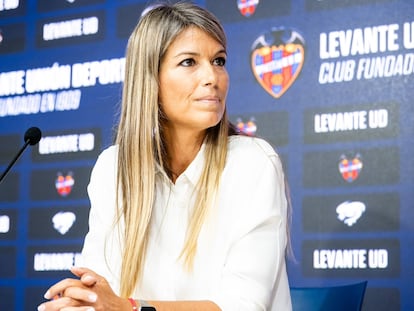
Journalist Maribel Vilaplana has found herself at the center of a high-profile investigation into the massive flooding in Valencia. She spent several hours having lunch with President Carlos Mazón on the day when the disaster claimed 229 lives. Since then, Vilaplana has avoided speaking to the press, and those close to her note that she has changed her account of events several times.
A judge from Catarroja has summoned Vilaplana to testify in order to clarify the details of the meeting and to understand exactly how decisions were made during the crisis. Special attention is being paid to the phone calls Mazón received during lunch. One key figure is Salomé Pradas, head of the Department of Justice and Internal Affairs, who tried to reach the president to report the urgent need for a public alert.
The Timeline of the Tragic Day
On October 29, 2024, after finishing work in Almussafes, Vilaplana headed to central Valencia. She parked her car at the Glorieta-Paz parking lot and entered the restaurant El Ventorro around 3 p.m., where Mazón was already waiting for her. At that time, the region was already under a severe weather warning, and the Magro river had overflowed its banks—marking the start of the disaster.
According to the official narrative, the meeting was held to discuss the possible appointment of Vilaplana to a leadership position at the regional television station. However, those close to the journalist maintain that she had already turned down this offer earlier. Other topics were discussed over lunch as well, but this was precisely when the situation in the province was deteriorating rapidly.
Missed Calls and Critical Decisions
While the meeting continued at the restaurant, Salomé Pradas tried to reach the president to discuss flood response measures. Her first call was declined at 16:29, and soon after, the region began experiencing widespread flooding. Mazón did not return Pradas’ call until an hour later, by which time the death toll had already risen above ten. In further conversations, the situation at the Forata dam and other urgent issues were discussed; nevertheless, according to eyewitnesses, the president showed little concern.
After lunch ended, around 18:30, the most mysterious period of the day began. Mazón missed two calls from Pradas and did not get in touch until 19:43, when discussions were already underway about initiating a mass alert to residents via the Es-Alert system. By this time, the number of casualties had reached 155. The president was on his way to the crisis management center (Cecopi), and the emergency message was not sent to residents’ mobile phones until 20:11.
Investigation and New Revelations
On Monday, Vilaplana will have to provide the court with a detailed account of that day’s events, including specifics about her time at the restaurant and any possible conversations with Mazón regarding what took place. The judge has also requested her parking ticket to verify the timing of the meeting. In recent days, journalists have swarmed the parking lot in search of new evidence.
Lawyers believe that Vilaplana’s testimony could be crucial for understanding precisely how decisions were made during the critical moments, and why some phone calls went unanswered. The outcome of the investigation—and the future of senior regional officials—may hinge on her statements.