The issue of regulating tourist apartments in Valencia has come to the forefront again after it was revealed that many properties continue to operate despite official statements about mass closures. For city residents, this is more than just a political debate—it concerns housing availability, neighborhood peace, and the future of the urban environment. The situation is further complicated by rising prices and a shortage of affordable apartments for permanent residents.
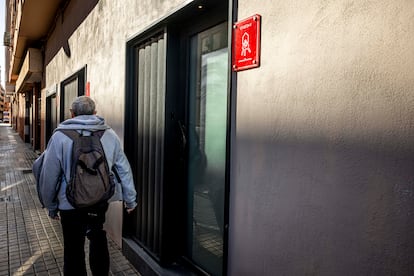
The opposition party Compromís staged a demonstrative raid: members of the group rented an apartment in the Malva-rosa district that, according to city hall, should have been closed two years ago. However, the property was freely available through popular platforms, with a two-night stay costing 177 euros. This move came in response to Mayor María José Catalá’s statements that, in her two and a half years in office, 14% of all tourist apartments in the city had been shut down.
Papi Robles, addressing journalists directly from the rented apartment, emphasized that the actual number of closed properties is significantly lower than the city administration claims. According to her, out of the promised thousand apartments, only 800 have undergone real inspection, and just a portion of them have truly ceased operations. Compromís has repeatedly requested the full list of closed addresses from the authorities but only received incomplete data, raising further concerns about the transparency of the process.
Data and statements
For its part, Valencia City Hall insists that since the moratorium on new licenses was introduced in May 2024, the number of registered tourist apartments has fallen from 10,516 to 9,057. Representatives of the ruling coalition accuse Compromís and their allies of causing a ‘flood’ of illegal rentals during their time in office. In response, the opposition claims the current authorities are merely giving the appearance of action, while real changes are minimal.
Local residents are also actively involved in the debate. Neighborhood associations from Cabanyal, Grau, and Malvarrosa have already sent the City Hall more than 450 requests to stop the growth in tourist apartments. They argue that the proliferation of short-term rentals is forcing permanent residents out, disrupting traditional ways of life, and worsening the housing crisis. Many complain that city authorities do not provide open data on legal properties and respond to requests with formal replies.
Reaction and consequences
The rental situation in Valencia reflects a nationwide trend: in Spain’s major cities, tensions are rising between the interests of the tourism sector and the needs of local residents. Police intervention and the introduction of new regulations do not always lead to substantive change. In the case of the apartment rented by Compromís, it turned out the property had a license issued before the moratorium, which is a common scenario for most such cases.
During the discussion of the issue, Compromís reminded that in recent years they have filed over 5,000 complaints about illegal apartments, collected through a special website. Their goal is to return the city to its residents instead of turning it into a rental platform for tourists. Representatives of neighborhood associations note that without decisive government action, the situation will only worsen, and coastal areas risk losing their traditional character entirely.
In the context of the struggle for urban space, it is worth recalling other conflicts between Compromís and the city hall. Recently, for example, Valencia’s authorities threatened fines over a street campaign opposing transportation changes, which sparked a strong public reaction and became a topic of discussion in the report on the confrontation around city protests. Such situations highlight how sensitive the city is to any attempts to change the established order.
Context and trends
In recent years, Spain has tightened regulations on short-term rentals, especially in tourist centers. Authorities in Barcelona and Madrid are also imposing restrictions and conducting inspections to protect the interests of local residents. However, despite the new laws, many properties continue to operate semi-legally, and disputes between municipalities and the opposition are growing increasingly tense. The issue of finding a balance between tourism and the right to affordable housing remains one of the most challenging for city authorities.