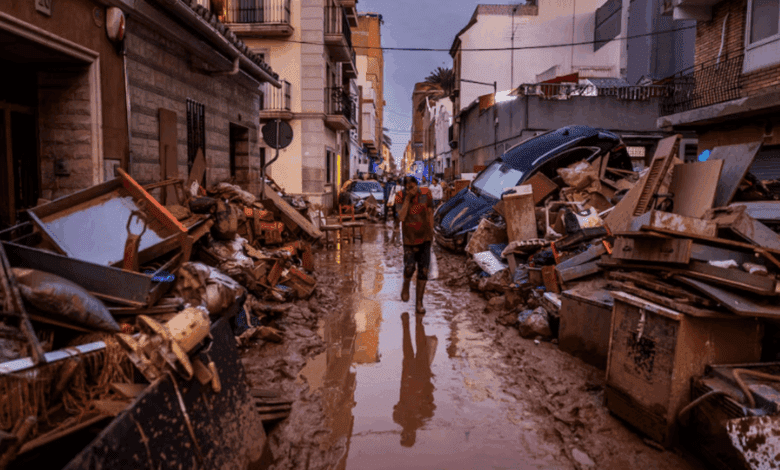
Sharp criticism of the Valencian regional authorities erupted amid the investigation into one of the most tragic disasters in recent years. Catarroja judge Nuria Ruiz Tobarra, in her latest ruling, questioned attempts to justify the actions of the regional administration during the devastating flood that claimed 230 lives in October 2024. According to the judge, attempts to absolve the Valencia government of responsibility appear to ignore reality and hinder an objective investigation.
The importance of this case for Spanish citizens is clear: it is not only about the tragedy itself but also about trust in the emergency management system. The judge emphasizes that these deaths could have been prevented if the regional authorities had used all their powers and tools to protect the population. She points out that it was the regional administration, not the central government, that was responsible for coordination and decision-making in the field of civil protection.
The investigation revealed that discussions about declaring a national state of emergency were not decisive. According to the judge, the flood victims needed not statements, but real action from regional institutions that had all the necessary means to prevent the disaster. However, as Ruiz Tobarra notes, these measures were never implemented.
Responsibility and controversy
The ruling pays special attention to the attempts by two key defendants—former justice and internal affairs advisor Salomé Pradas and former emergency director Emilio Argüeso—to shift responsibility onto other authorities. The judge notes that some private prosecutors also joined this position, further complicating the search for truth.
During the interrogation in January 2026, when Alberto Núñez Feijóo, leader of the opposition People’s Party, spoke in court, some participants tried to shift the focus to events in Letur (Albacete), where a tragedy had also occurred, in order to divert attention from the actions of the Valencian regional government. The judge regarded this as an attempt to sidetrack the investigation and avoid addressing the key issues.
Over the fifteen months of the investigation, the question of holding representatives of central authorities accountable—such as the Júcar River Basin Confederation (CHJ) and the State Meteorological Agency (Aemet)—was repeatedly raised. However, the court consistently rejected these requests, with its decisions upheld by the Provincial Court of Valencia.
Powers and actions
Judge Ruiz Tobarra particularly emphasized that the regional government had all the necessary tools to prevent the disaster and protect residents. She expressed regret over attempts by certain officials to shift responsibility onto central authorities instead of acting independently and effectively.
The ruling also stresses that repeated attempts to expand the list of defendants to include representatives of the central government, including the government delegate in Valencia, Pilar Bernabé, were rejected by the court. This decision was upheld four times, reflecting a consistent stance by the judicial system on this matter.
As part of the investigation, the judge requested information from the relevant ministries of the regional government—agriculture, social services, environment, and education—regarding any cooperation requests made on the day of the tragedy by the department responsible for emergencies. The main figure in this process remains the former justice and interior counselor, Salome Pradas.
Connection with other cases
Recalling recent events, it is worth noting that legal proceedings concerning the actions of authorities in crisis situations are not uncommon for Spain. For instance, we previously reported on an unexpected judicial decision in the Cospedal case, when the refusal to reopen the investigation sparked heated debate and raised questions about the transparency of the judicial system. Similar cases, such as the Cospedal case, highlight how pressing the issues of official accountability and public trust in institutions are for society.
Context and consequences
In recent years, Spain has faced several major emergencies where the actions—or inaction—of authorities have become the focus of public and judicial scrutiny. After the Murcia flood in 2022, debates flared over who should have coordinated the rescue efforts and why not all available resources were deployed. Similar questions arose after the fires in Catalonia, when local residents accused the administration of insufficient preparation and slow response.
Each such incident reinforces the public demand for greater transparency and efficiency from government bodies during crises. As a result of these proceedings, approaches to risk management are shifting, and oversight of officials at all levels is intensifying. Spanish society is increasingly calling not only for investigations but also for meaningful change in the disaster response system.