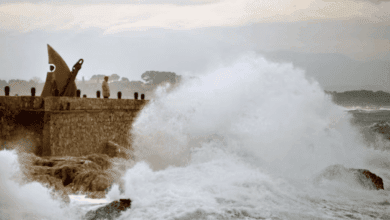
A sudden change in weather on the Canary Islands has prompted local authorities to take emergency measures in education. As a result, all educational institutions in the region will switch to remote learning for two days—March 19 and 20, 2026. This decision aims to minimize risks related to adverse weather conditions and ensure the continuity of the educational process.
According to the Consejería de Educación del Gobierno de Canarias, the transition to online learning affects not only schools but also vocational education centers. This measure helps avoid transportation issues and reduces the likelihood of incidents linked to students and staff traveling in worsening weather. Authorities emphasize that the safety of children and educators remains a top priority.
Organizing distance learning
To ensure a smooth transition to online education, schools prepared instructions for families and students in advance. Official resources provide detailed guidance on how to access virtual classrooms and offer tips for organizing the school day at home. Special attention is given to supporting parents, so they can help children adapt to the new conditions.
Teachers continue holding lessons online, using digital platforms, allowing the usual learning pace to be maintained. If technical issues arise, consultations and support from school administrators are available. This approach has already proven effective during previous periods of remote learning.
Response and consequences
The decision to temporarily switch to distance learning sparked wide discussion among parents and teachers. Many note that such measures help avoid disruptions in the educational process and minimize stress for students. However, some families face challenges organizing studies at home, especially if there are several children in the household or the necessary equipment is lacking.
Regional authorities urge residents to stay calm and follow the instructions posted on official portals. According to russpain.com, such decisions are becoming increasingly common in Spain when extreme weather arises. This enables schools to respond quickly to threats and maintain safety without compromising educational quality.
Context and previous experience
In recent years, the Canary Islands have already faced the need to temporarily switch to remote learning due to natural disasters and adverse weather conditions. For example, in 2023, similar measures were implemented during severe storms, which helped avoid mass class cancellations and maintain the academic schedule. Past experience has shown that timely communication and support for families play a key role in successfully adapting to new learning formats.
The Spanish education system is gradually improving its emergency response mechanisms by introducing new digital tools and training teachers for online environments. This helps minimize negative impacts on students and maintain high educational standards even under force majeure conditions.