Sharp political tensions erupt in Zaragoza as Vox breaks off budget talks with PP. The unexpected move comes after both parties appeared close to a deal, putting the city at risk of having no new financial plan and forcing an automatic extension of the current budget.
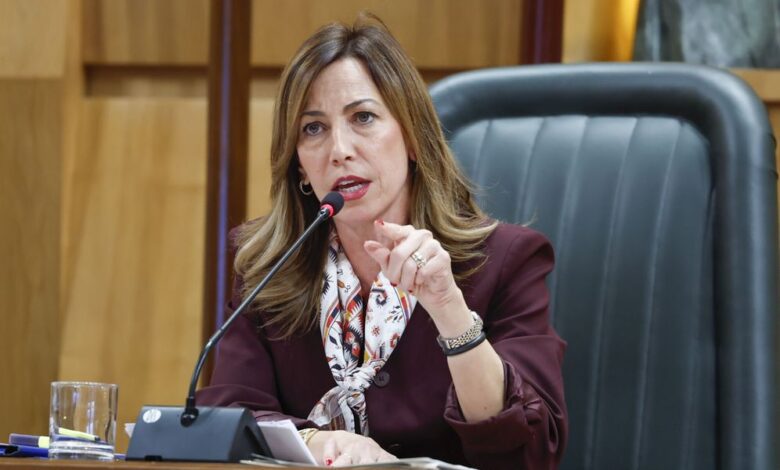
Zaragoza Mayor Natalia Chueca lashed out at Vox, accusing them of betrayal and a lack of loyalty. She said that after months of negotiations and taking all parties’ demands into account, Vox’s decision is purely a political maneuver. Chueca also voiced distrust in proposals from the Socialists and other opposition forces, who immediately offered to help approve the budget.
Political differences
The Partido Popular believes Vox’s refusal to support the budget is driven solely by electoral interests. Chueca emphasized that Vox is putting the city’s needs second to its own political gain. She also questioned the sincerity of collaboration offers from the Socialists and Zaragoza en Común, and did not rule out a possible vote of confidence.
Vox representatives, in turn, explained their decision by saying that the city authorities failed to implement the necessary structural reforms. In their view, the administration continues to support excessive bureaucracy and does not address issues that concern residents. They were particularly dissatisfied with new infrastructure projects, which, according to Vox, do not meet the real needs of city districts, as well as with the continued existence of the low-emission zone—unlike in other cities where such measures have not been introduced.
Regional impact
The situation in Zaragoza is unfolding against the backdrop of tense negotiations between Vox and PP in other regions, particularly in Extremadura, where support for María Guardiola’s candidacy for head of the autonomous community is being discussed. In Aragón, where snap elections are due in February, the conflict between the parties also remains unresolved. The reason for the early vote was the inability to reach an agreement on the regional budget.
Internal disagreements and mutual accusations between Vox and PP reflect a broader political crisis in Spain. Vox representatives state openly that their decision is linked not only to local issues but also to the national situation. According to their spokesperson, Julio Calvo, the party intends to increase pressure on its partners to achieve its goals, especially as the political cycle draws to a close.
The role of the opposition
While PP and Vox trade accusations of sabotage, the socialists led by Pilar Alegría are urging the mayor of Zaragoza to consider working together on the budget. A similar initiative was proposed at the regional level earlier, but the Partido Popular rejected it, calling it ‘an outstretched hand that can’t be trusted.’ Now, the socialists are once again pushing for talks, hoping to avoid a repeat of the scenario that could trigger early elections.
Mayor Chueca, however, is in no rush to accept the opposition’s offer. She believes Vox’s decision effectively helps the left, which could now take advantage of the situation to strengthen its position. Meanwhile, PSOE insists their intentions are genuine and calls on city authorities not to repeat the mistakes made by the regional administration.
Economic arguments
Vox points out that one of the reasons for breaking off cooperation was the lack of reforms aimed at cutting administrative costs and reducing the tax burden on residents. The party also criticizes the city authorities for approving what it sees as unnecessary construction projects, while some neighborhoods remain neglected. In addition, Vox is dissatisfied that Zaragoza still maintains a low-emission zone, unlike Valencia and Sevilla, where such measures are not yet in place.
With Spain soon to stop receiving European funds, the issue of budget spending efficiency is becoming increasingly critical. Vox argues that without substantial changes to the management structure, the city will not be able to cope with new economic challenges.
Outlook
Amid escalating political tensions in Zaragoza and the Aragón region, the future of the city budget remains uncertain. In the coming weeks, both sides are expected to continue trading accusations and exploring new solutions to resolve the crisis. Intervention by the opposition and a potential confidence vote could bring further unexpected twists to local politics.