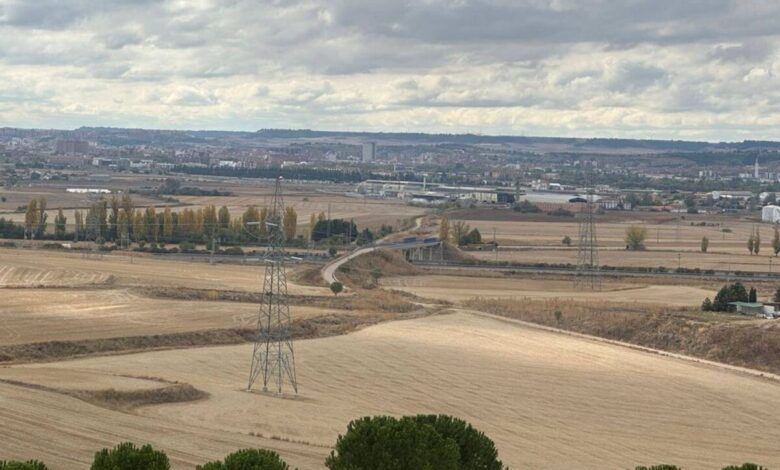
The south of the Madrid region is preparing for the launch of a major new waste collection and temporary storage facility. The regional authorities have chosen Móstoles as the site for the 16,000-square-meter complex, which is expected to begin operations in 2026. However, the neighboring municipality of Villaviciosa de Odón strongly opposes this decision and has filed objections once again, citing concerns for the well-being of its residents.
The project envisions the construction of a concrete platform and a warehouse where scrap metal, old electronics, and used batteries will be received, sorted, and temporarily stored. The company overseeing the project already operates similar facilities in other cities in the region. Although the plant is officially located within Móstoles, it sits just a few hundred meters from the residential neighborhoods and industrial zone of Villaviciosa de Odón. This proximity is the main reason for local authorities’ discontent.
Arguments of the opponents and the position of Móstoles
The municipality of Villaviciosa is concerned that the construction of such a facility could have a negative impact on the environment, hinder the development of new residential areas, and even affect the unique natural park through which the Guadarrama River flows. Additionally, local officials believe that the existing road infrastructure will not be able to handle the increased truck traffic that will inevitably follow the opening of the plant. Back in January 2025, they tried to block the project, citing its proximity to residential buildings and potential environmental risks, but their arguments were only partially taken into account.
In Móstoles, on the other hand, officials argue that the new facility is essential for effective waste management and insist that its operation will not affect quality of life. According to them, this is not a processing plant but a temporary storage site, and all noise and emissions standards will be met. However, even within Móstoles itself, not everyone supports the initiative: the opposition is demanding a review of the decision, pointing to insufficient communication with residents and the plant’s proximity to residential areas in both municipalities.
Environmental concerns and next steps
Environmental activists have joined the protests, claiming that the chosen site is already polluted with petroleum products due to previous industrial activity. They also warn of possible noise pollution from the operation of machinery. Nevertheless, regional authorities remain committed to the project, justifying their position by citing increased volumes of waste and new legislative requirements.
The deadline for filing objections is the 25th of this month. So far, Madrid authorities show no willingness to compromise, and the conflict between the two neighboring municipalities is only intensifying. The question of where exactly the new plant will be located remains unresolved, but one thing is clear: the fight for cleanliness and comfort in Madrid’s suburbs is reaching a new level.