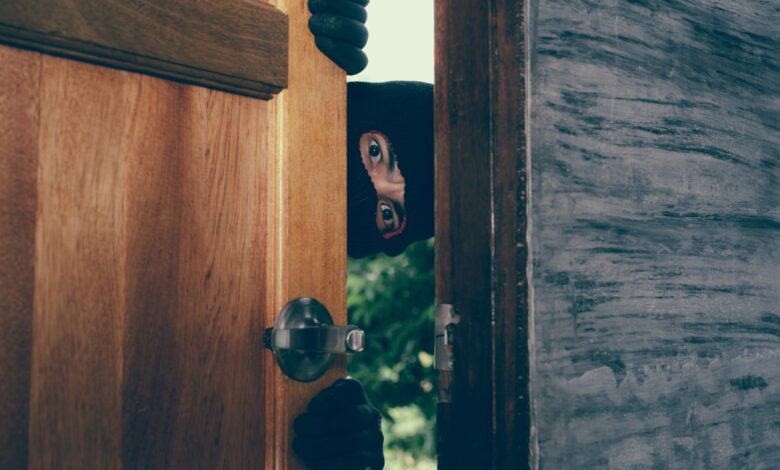
Buying property in Spain can turn into a real challenge if, after signing the contract, you discover that someone is already living in your new apartment. And not by lease agreement, but without any legal grounds. The situation where the so-called “okupas” are found in purchased property is becoming increasingly common, especially in major cities and along the coast. New owners find themselves needing not only to defend their rights but also to navigate complex legal procedures.
The question of what to do if the apartment you bought is occupied concerns many people. Spanish law offers several ways to resolve the issue, but each requires time, money, and patience. It is important to understand that the responsibility for vacating the property falls on the new owner, even if they were unaware of the occupants before the deal.
First steps
If, after purchasing, you discover that strangers are living in the apartment, your first step should be to determine whether you were aware of this beforehand. Sometimes, sellers conceal the problem to avoid lowering the price. If the fact of occupation was deliberately withheld, you may try to challenge the deal or seek compensation. However, in most cases, the buyer is forced to initiate the eviction process independently.
The most common method is filing a civil eviction lawsuit (desahucio). This route is suitable both for former tenants who remain after their lease has ended and for individuals who never had the right to reside there. In some cases, criminal charges may be pursued, such as in cases of fraud or forcible occupation.
Legal Mechanisms
The eviction procedure in Spain is governed by the Civil Procedure Code (Ley de Enjuiciamiento Civil). New owners are entitled to a fast-track process—the so-called ‘express desahucio’. However, even this does not guarantee an immediate result: if the occupants are deemed socially vulnerable, the process can drag on for months.
If the occupants lack any documentation, courts generally rule in favor of the property owner. But if there was a prior rental agreement or other legal title, the process becomes more complicated. Sometimes, it can take up to a year before regaining access to the property. An alternative option is to negotiate directly with the occupants and offer them compensation for a voluntary departure.
Buying with Risk
Properties with occupants are often sold at prices significantly below market value—discounts can reach 50-60%. This attracts investors willing to take the risk for potential profit. However, banks do not issue mortgages for such properties, as it is impossible to assess the apartment’s condition. Buyers must therefore rely solely on their own funds.
Before finalizing the deal, it’s important to thoroughly check the property’s history, any outstanding debts, and the residency status. It’s recommended to involve a lawyer specializing in real estate. The contract typically specifies who is responsible for eviction and remedying any possible damages. Once the apartment is vacated, it’s best to furnish it and move in personal belongings as soon as possible — this helps prevent re-occupation.
Pros and cons
The main advantage of buying property with squatters is the low price. If eviction is resolved quickly and the apartment is in decent condition, there is potential for significant profit from a subsequent sale or rental. Sometimes, it’s possible to reach an amicable agreement with the occupants and avoid legal proceedings altogether.
However, the risks are considerable. The new owner cannot use the apartment until all procedures are complete. Often, serious damage is discovered after eviction that requires costly repairs. Financial institutions are reluctant to finance such properties, and the eviction process itself can drag on for an indefinite period.
Negotiation specifics
In some cases, negotiating with squatters proves more effective than legal proceedings. Offering financial compensation for a voluntary move-out can save time and hassle. However, not all residents are willing to cooperate: some are involved in criminal schemes and count on lengthy court battles.
After reclaiming your apartment, it’s crucial to take steps to prevent a repeat occupation. Spanish lawyers recommend immediately moving in—even if only symbolically—by placing furniture or leaving personal belongings to demonstrate ongoing residence. This can ensure that, in the event of another occupation, authorities classify it as a more serious offense.
If you weren’t aware, in Spain the term “okupa” refers not only to illegal occupants, but also to a broader social phenomenon rooted in protesting high housing costs. In recent years, the issue has become especially acute in Madrid, Barcelona, and along the Costa Blanca. RUSSPAIN.COM regularly publishes coverage on the real estate market, legal nuances of property transactions, and current housing trends. Follow our updates so you don’t miss important changes in legislation and practical advice for property owners.