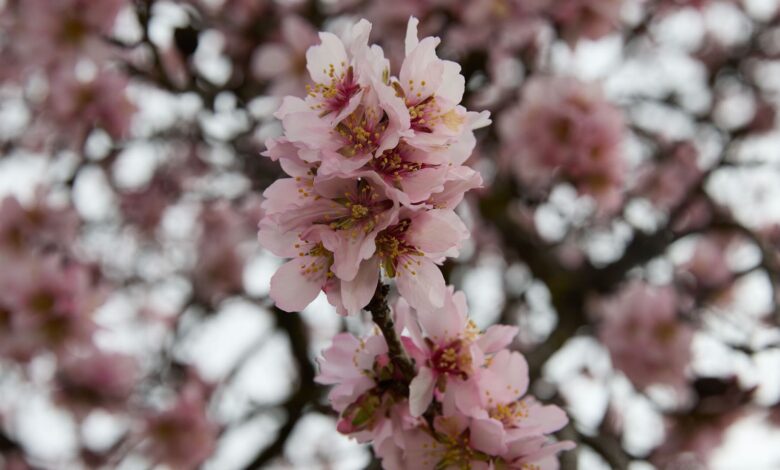
One of Madrid’s most anticipated natural events is beginning—the mass blooming of almond trees. This spectacle not only transforms the city but also influences the plans of thousands of residents and visitors. This year, weather conditions have shifted the timeline: the first blossoms have already appeared, with the peak expected in the coming days. For many, it’s a chance to witness a rare scene that lasts just a week and to capture unique photos among the pink and white trees.
In recent years, interest in blooming almond avenues has grown so much that some parks have become true hotspots. According to El Confidencial, the 2026 bloom is expected to be especially vibrant thanks to a mild winter and a lack of heavy rains. This means that Madrid’s residents have the chance to catch the most intense colors and unusual views, which will disappear in just a few days.
The city’s main parks
The most popular spot for almond viewing remains Quinta de los Molinos park in San Blas-Canillejas. Here, thousands of trees grow across more than 20 hectares, and it’s typically the first place where blossoms appear. This year, some of the almonds have already bloomed, but the main display is expected over the coming weekend. The park is easy to reach: the Suanzes metro station (line 5) is nearby, as well as several bus routes.
The second most popular destination is El Retiro Park, specifically its Huerto del Francés corner, home to over 300 almond trees. This spot attracts those who prefer peaceful walks away from the crowds. Here you can not only admire the blossoms but also see a restored old noria, a reminder of the park’s agricultural past. Convenient entrances are located near the Ibiza, Príncipe de Vergara, Retiro, and Estación del Arte metro stations, as well as the Atocha and Recoletos train platforms.
Lesser-known routes
For those seeking less popular routes, pay attention to the botanical trail in Casa de Campo. Almond trees can be found right at the start of the path, and the flowering occurs gradually, allowing you to see the different stages of blooming. The park is easy to reach by metro — the Lago, Príncipe Pío, and Puerta del Ángel stations are all within walking distance.
Another option is the Real Jardín Botánico, located next to the Prado Museum. Here, almond trees blossom among rare plants and historic terraces, and the garden is open daily. Admission is paid, but the atmosphere and scenery are well worth spending a few hours. The garden is a short walk from Atocha metro station or easily accessible by city buses.
City views and new traditions
A special place is Huerta de la Partida — a historic garden by the Manzanares River, next to Madrid Río and the Puente del Rey bridge. Here, almond trees are planted in such a way that the upper viewpoint offers a panorama of the Royal Palace and the Almudena Cathedral. Some trees have already started blooming this year, but the most spectacular view is expected in the coming days. The location is accessible on foot from the Príncipe Pío station or by buses running along the riverside.
In recent years, almond blossom season has become not only an excuse for strolls but also part of the city’s culture. Many locals gather in small groups to watch the sunrise or sunset together among the blooming trees. Hundreds of new photos appear on social media, and some routes become so popular that you have to arrive early to find a free spot.
Seasonal changes and cultural events
The peak of almond blooming in Madrid usually falls in February, but due to unpredictable weather, dates may shift. This year, according to El Confidencial, the largest number of flowering trees is expected from late February to early March. The spectacle typically lasts five to twelve days, and much depends on temperature and rainfall. If the weather remains warm and dry, the almond-lined paths will please the eye longer than usual.
The impact of natural phenomena on urban life is becoming increasingly evident. For example, last year’s February events in Madrid, Barcelona, and Seville stood out for their scale and innovative formats — you can learn more about this in the article on cultural changes in Spain’s largest cities. Such shifts reveal how quickly attitudes toward urban traditions and natural events are evolving.
For reference: almond trees are among the first fruit trees to bloom in Madrid. Their blossoming is often compared to the Japanese hanami, when people gather under flowering trees. In recent years, interest in such natural events has grown in Spain, with more cities organizing special routes and tours. In 2025, for instance, Valencia and Malaga hosted festivals dedicated to the blossoming of almond and other fruit trees. In Madrid, the tradition of observing this phenomenon is becoming increasingly popular, uniting people of all ages.