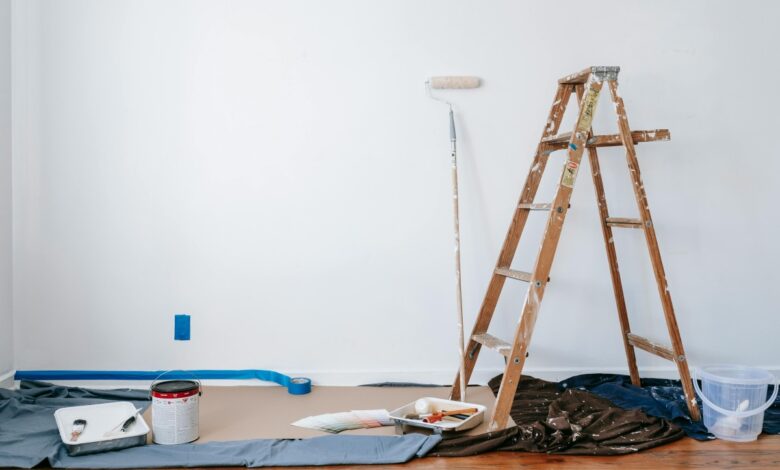
Another dispute has erupted in Spain between landlords and tenants: who should pay for painting the walls and deep cleaning the apartment after the lease ends? The answer came unexpectedly from a court in Granada, which reviewed the usual market rules. Now, property owners should read contracts more carefully, while tenants shouldn’t rush to pay disputed charges.
A judicial panel reviewed a case in which a landlord demanded more than two thousand euros from a former tenant for alleged damage. The list of expenses included painting ceilings and walls, repairing the kitchen entrance, and cleaning the bathroom. The lower court sided with the owner, but the appeals court made significant changes. It turned out that not all expenses can be passed on to the tenant, even if the apartment was rented out in perfect condition.
Court’s stance
The judges reminded that if the rental contract does not specifically mention painting or professional cleaning, these costs must be borne by the owner. The Urban Leases Law (Ley de Arrendamientos Urbanos) clearly defines the responsibilities of each party. All work related to keeping the property in a livable condition must be paid for by the landlord, unless there is proof of negligence or improper maintenance by the tenant.
In this case, the inspection found that the damage to the walls and ceilings was not due to negligence, but to normal wear and tear. Therefore, the landlord cannot demand compensation from the tenant for painting or cleaning. The court reduced the claim by almost €500, leaving only those expenses that were actually the tenant’s fault.
What the law says
Spanish civil law (Article 1561 of the Civil Code) stipulates that the property must be handed over in good condition, even if this is not specified in the contract. However, this does not mean that the tenant is required to return the apartment in pristine condition. Normal wear and tear is inevitable, and it is the landlord’s responsibility to address it.
The Urban Leases Act (Article 21.4) clarifies that major repairs and maintaining the property in livable condition are the owner’s responsibility. The only exception is if the damage was caused by the tenant’s negligence. However, even in such cases, the landlord must prove that the damage was indeed the tenant’s fault.
Limits of responsibility
A court decision from Granada has become a kind of guideline for both parties. If the contract does not contain a direct provision requiring the tenant to pay for painting or deep cleaning, the landlord cannot demand this. Anything related to normal wear and tear—yellowed grout, faded paint, small stains—is paid for by the owner.
The tenant is only responsible for minor damage that occurs during normal use, as well as damage caused by negligence. For example, if there are deep scratches, dents, cigarette burns, or ruined furniture in the apartment, these costs can legitimately be charged to the tenant. However, if it’s just faded paint or routine cleaning, the owner is responsible for covering those expenses.
How to avoid disputes
Experts recommend: to avoid long-running conflicts, all contentious issues should be documented in writing. The rental contract should clearly outline who is responsible for what. If the parties have agreed in advance on painting or professional cleaning, this must be stated in the contract. Otherwise, any additional demands may be considered unfounded.
It’s recommended to take photos and videos of the property’s condition both before moving in and when moving out. This approach helps prevent accusations of property damage and unwarranted deductions from the deposit. Tenants should remember: if the contract does not explicitly require repairs or cleaning, they are not obligated to pay for these services.
What can be deducted from the deposit
The owner is entitled to withhold from the deposit only those amounts directly related to actual damage caused by the tenant. This might include minor breakages, damage to furniture or appliances, or costs for fixing the results of careless handling. However, expenses due to normal wear and tear or the need to update the décor are the responsibility of the owner.
Judicial practice shows that attempts to recover the costs of painting or cleaning from the tenant, without a direct provision in the contract, usually fail. Property owners should keep this in mind when drafting new agreements to avoid unpleasant surprises in the future.
If you didn’t know, idealista is one of the largest real estate online portals in Spain. The platform offers up-to-date listings for buying and renting properties, as well as market analysis. idealista actively collaborates with agencies, private individuals, and experts, creating a transparent and user-friendly platform for finding property across the country. Thanks to its broad reach and reliable information, the portal has become an essential tool for both tenants and property owners.