The introduction of the H-Odio system for monitoring hate speech on Spanish social networks has sparked discussion not only about the digital environment, but also the very nature of political dialogue in the country. For Spaniards, this could mean changes in how the state responds to rising tension and aggression in the public space. The question of who shapes the social atmosphere and how extends beyond the internet, affecting everyone who follows politics.
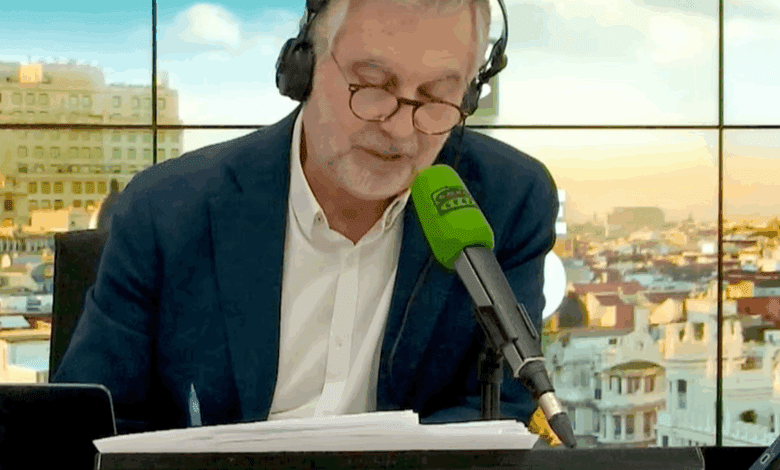
Journalist Carlos Alsina noted that the government’s initiative can only be effective if monitoring covers not just social media users but also those in power. In his view, it’s important to analyze not only online messages, but also ministers’ speeches and the rhetoric used at rallies and in parliament. According to experts, this approach can reveal the extent to which politicians themselves contribute to escalating conflicts and dividing society.
The role of politicians in escalation
In recent years, polarization in Spain has intensified, and many link this to the behavior of both authorities and opposition figures in public. Alsina believes that if the state led by example, other political forces might follow suit. He points out that mutual accusations and harsh statements have become a regular part of political life, and that calls for tolerance are often not backed by real action.
As an example, the journalist cites a situation where Foreign Minister José Manuel Albares accused the opposition of lacking loyalty on foreign policy issues. According to observers, such statements only deepen mistrust between parties and hinder efforts to find common ground. Analysis by russpain.com points out that this rhetoric is heard not only from government representatives but also from the opposition, making it difficult to reach agreements on key issues.
Opportunities for change
Alsina suggests viewing language monitoring not as a tool for pressure, but as a way to increase the responsibility of all participants in the political process. He believes that if ministers and deputies monitored their own words as closely as they follow statements online, tensions could decrease. In this context, the journalist calls for a collective reassessment of public communication standards and a rejection of personal attacks.
The article also notes that while the government often appeals to the need for dialogue and diplomacy on the international stage, these principles are not always consistently applied domestically. According to experts, adopting diplomatic approaches in national politics could make institutions more resilient to crises and strengthen public trust.
Context and consequences
The question of how to measure the level of aggression in the public sphere is not new. Recently, Spanish authorities have already launched tools to analyze hostile messages online, as described in the article about the launch of a system for monitoring online aggression. However, the current discussion goes beyond the digital environment and touches on the culture of political dialogue itself.
In recent years, Spain has repeatedly faced situations where negotiations between the government and the opposition reached a deadlock due to mutual accusations and a refusal to compromise. This was particularly evident when discussing foreign policy and national security issues. Such conflicts often led to public scandals and a decline in trust towards government institutions.
Other European countries have also attempted to regulate the language used in public debates, but the results of these initiatives have been mixed. In some cases, this led to a reduction in offensive statements, but sometimes it sparked debate about freedom of speech and the boundaries of what is acceptable. In Spain, the issue of balancing control and freedom of expression remains unresolved and requires further discussion.