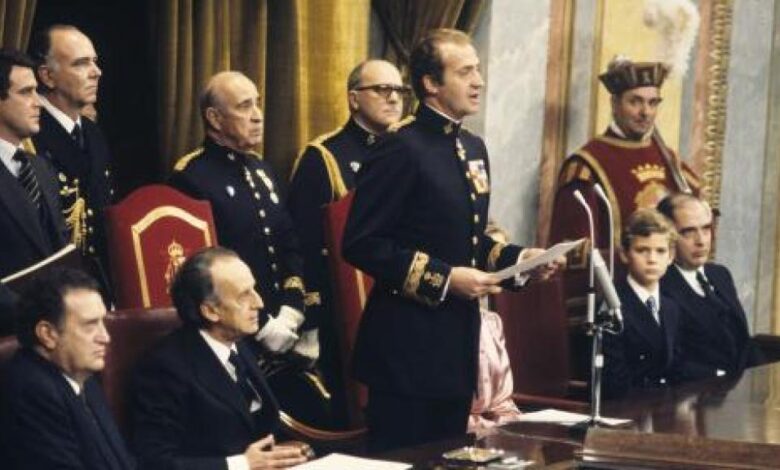
Events that shape an entire generation are rare in Spain. The Constitution adopted in 1978 was one of those remarkable moments. It not only ended a period of political turmoil but also set a new standard for the country. Thanks to the Constitution, Spain overcame the deep divisions left by dictatorship and moved towards modern democracy. Even today, this document defines how millions of Spaniards live, work, and interact with one another.
Unlike previous attempts to establish a lasting legal framework, the 1978 Constitution has stood the test of time. For nearly half a century, it has weathered changing governments, economic crises, and intense political conflicts. While the six preceding constitutions quickly gave way to new laws due to coups, revolutions, or internal disputes, the current basic law has proven surprisingly resilient. Its adoption was the result of complex compromises among diverse political forces, allowing the country to unite after decades of instability.
Historic transformation
Until 1978, Spain had never experienced long-term political stability. Constitutions came and went amid changing regimes, revolutions, and civil conflicts. The most notable among them was the ‘Pepa’—the Constitution of 1812, which became a symbol of liberal ideas but lasted just over two years. In the 19th and 20th centuries, the country went through a series of monarchies, republican experiments, and restorations—each leaving its mark on the legal system, but none providing lasting stability.
The 1978 Constitution was the exception. It established a parliamentary monarchy, guaranteed a broad range of rights and freedoms for the first time, and laid the groundwork for the country’s autonomous structure. This approach made it possible to respect the interests of different regions and political groups, becoming the key to long-awaited consensus. For the first time in two centuries, Spaniards gained the chance to build their future without fear of another coup or the collapse of the state.
Overcoming crises
The current fundamental law was adopted at a time when the country was just beginning to emerge from dictatorship. The decision to transition to democracy required not only political will, but also a willingness to compromise. The Constitution became the result of complex negotiations between representatives of different ideologies, helping to avoid repeating past mistakes. It not only secured citizens’ rights, but also created mechanisms for peacefully resolving conflicts between central authorities and the regions.
Since its adoption, the 1978 Constitution has weathered many challenges. Spain has faced economic hardship, political crises, and even attempts to undermine national unity. Yet none of these threats have shaken the foundations laid in 1978. This resilience is due to the Constitution’s flexibility and its capacity to adapt to new challenges without losing its core essence.
Impact on Modern Times
Today, the Constitution continues to play a central role in the country’s life. It not only defines the structure of power, but also guarantees rights that until recently seemed out of reach. Thanks to this, Spain has managed to integrate its diverse regions, ensure equality among citizens, and create conditions for economic growth. Even decades after its adoption, the country’s main law remains a relevant and indispensable tool for regulating social relations.
In recent years, the possibility of reforming the Constitution to better meet the needs of the time has often been discussed in Spain. Nevertheless, society and politicians alike continue to agree that this very document has become the bedrock of stability and progress. Its unique ability to unite people with different views and interests still commands respect and recognition both within Spain and beyond its borders.
Spain has witnessed other attempts to establish a solid legal foundation throughout its history, but none have matched the duration and impact of the 1978 Constitution. For example, the 1876 Constitution lasted almost half a century but could not withstand the pressure of political changes. The 1931 Constitution brought new freedoms, yet was destroyed by the civil war. In recent years, Europe and the world have also seen efforts to update or revise fundamental laws, but few have led to lasting stability. The Spanish experience remains a unique example of how compromise and respect for different viewpoints can become the basis for sustainable development.