Spain continues to discuss a high-profile investigation involving the activities of the former prime minister and his participation in consulting projects. At the center of attention is the company Análisis Relevante, mentioned in a case concerning possible money laundering of funds allocated to rescue the airline Plus Ultra. This story raises not only business transparency issues but also public trust in former officials, which is especially important for Spanish society, accustomed to closely monitoring public figures.
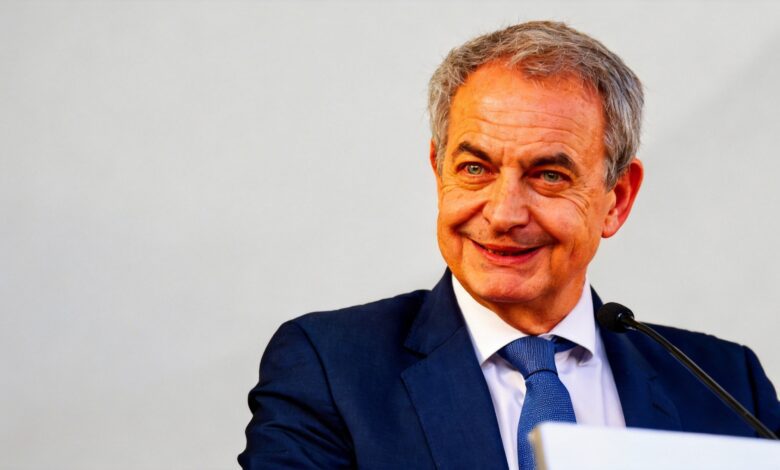
As El Pais reports, José Luis Rodríguez Zapatero again emphasized that he had no access to information about Análisis Relevante’s clients and was not aware of the details of the company’s operations. According to him, his involvement was limited to providing consulting services, and all activities were within the law. He also stated that he was unaware of any connections between the company’s administrator, Julio Martínez Martínez, and Plus Ultra, and regards the suspicions against him as an attempt to undermine his reputation.
Details of the cooperation
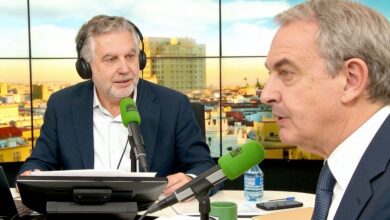
In an interview with Onda Cero, the former prime minister said that his main income was not solely related to Análisis Relevante. He stressed that after leaving the Council of State in 2015, he began to pursue private consulting work, but prefers not to disclose all details of his professional activities, citing his right to privacy. Questions about exactly who the company’s clients were remained unanswered.
Particular attention was drawn to the payments totaling €463,000 that Zapatero received from Análisis Relevante between 2020 and 2025. This amount has raised questions from opposition representatives, who suspect the company may have been used as a front for other financial operations. Zapatero himself insists that his relationship with Martínez was purely friendly and that his business dealings remained within the bounds of legality.
Venezuelan context
A significant part of the discussion focused on Zapatero’s connections with Venezuela. He recounted his involvement in securing the release of political prisoners and his close relationships with Delcy and Jorge Rodríguez, who hold key positions in Venezuelan politics. According to him, support from these politicians made it possible to achieve certain results amid the country’s complex situation. Zapatero emphasized that his work in Venezuela aimed at peaceful resolution and the support of democratic processes.
During the interview, the former prime minister also commented on the publication of a photograph showing him with Martínez just days before Martínez’s arrest. He expressed surprise at the appearance of this photo and suggested it resulted from deliberate surveillance. Zapatero denied accusations that he may have warned Martínez about the upcoming investigation.
Reaction and consequences
The public outcry surrounding the Plus Ultra case and the activities of Análisis Relevante highlights just how sensitive issues of transparency and accountability among former officials are in Spain. The opposition is demanding further explanations, and the public is closely following the developments. Recent incidents, when unexpected money transfers to officials sparked widespread debate—as was the case with the former head of the road authority, show that society is unwilling to tolerate a lack of transparency among public figures.
According to El Pais, Zapatero believes he is the target of a smear campaign and maintains that the information being circulated about him is untrue. He is confident in his impeccable reputation and intends to continue his work despite pressure and criticism.
In recent years, Spain has seen a growing number of financial scandals involving former or current officials at the heart of government contracts and consulting services. Such cases often lead to new investigations and stricter oversight of companies receiving public funds. Public interest in these matters remains high, and calls for transparency and accountability are only increasing.