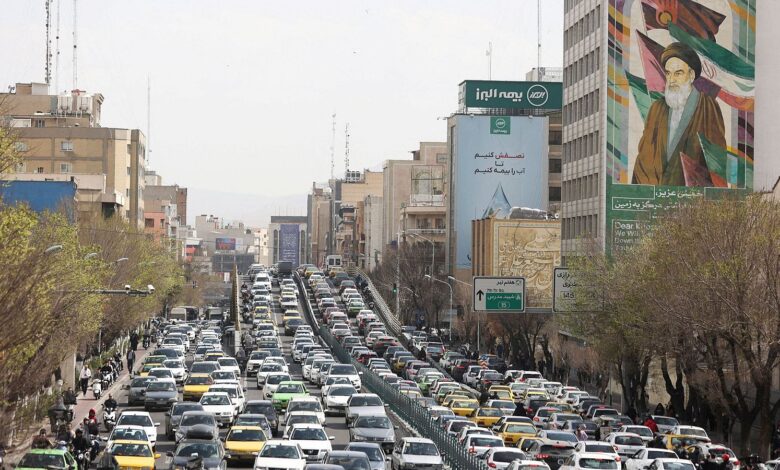
The aftermath of the attack on Iran immediately impacted Spain’s position in international politics. The country’s authorities issued a strong condemnation of unilateral military actions, stressing that further escalation could lead to a protracted conflict whose consequences would affect not only the region but all of Europe. In response to the developments, the Spanish government activated a crisis management team and reinforced measures to protect its citizens located in high-risk areas.
The Spanish Ministry of Foreign Affairs has confirmed that all diplomatic missions in the region are operating under heightened security. Particular attention is being given to the safety of 158 Spanish citizens currently in Iran: they have been strongly advised to leave the country, and the alert level in official recommendations has reached its maximum. Authorities have also warned against any travel to Iran, citing instability and threats to personal safety.
Political rift
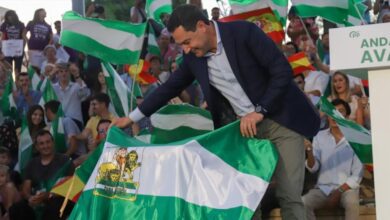
The reaction of Spanish politicians has been mixed. Government and left-wing party representatives insist on the urgent need to return to diplomacy and dialogue, believing that only a political solution can stop the wave of violence. They emphasize that violations of international law and the use of force only worsen chaos and pose a threat to the entire world.
At the same time, the opposition has voiced concern over the actions of the Iranian regime, accusing it of human rights violations and supporting terrorism. Leaders of right-wing parties are demanding that the Spanish government immediately develop an evacuation plan for its citizens and take a tougher stance toward Tehran. Some members of parliament have even expressed support for the actions of the US and Israel, considering them necessary to deter the threat.
Security measures and international response
Amid rising tensions, fifteen airlines simultaneously announced the suspension of flights to Iran. Among them are major European and Asian carriers, effectively isolating the country from its usual transport routes. Spanish consulates in the region are operating around the clock, providing emergency assistance and informing citizens about possible evacuation routes.
Spanish authorities also maintain ongoing contact with European partners, discussing joint steps to ease tensions. Diplomatic circles point out that further escalation of the conflict could trigger new waves of migration and economic shocks, a development of particular concern for Southern European countries.
Voices of society and political parties
Inside the country, debates have erupted over how Spain should respond to the situation. Left-wing parties accuse the US and Israel of undermining international norms and demand an end to military intervention, believing it only worsens the suffering of civilians. They call for the isolation of aggressors and urge Spain to reconsider its cooperation with NATO and to restrict the use of military bases.
Right-wing politicians, on the other hand, insist on the need for a firm response to Iran’s actions and on supporting allies. They believe the government’s soft stance could jeopardize the safety of the country and its citizens. Public anxiety is growing: many fear the conflict will drag on and lead to new crises in Europe.
Pedro Sánchez, who leads the Spanish government, holds one of the key positions in European politics in recent years. His approach to international crises has always been based on dialogue and respect for international law. Sánchez has repeatedly emphasized the importance of seeking political solutions, even in the most difficult situations, believing this is the only way to ensure long-term stability and security for Spain and its citizens. His actions during escalating tensions in the Middle East have once again demonstrated his commitment to diplomacy and the protection of national interests.