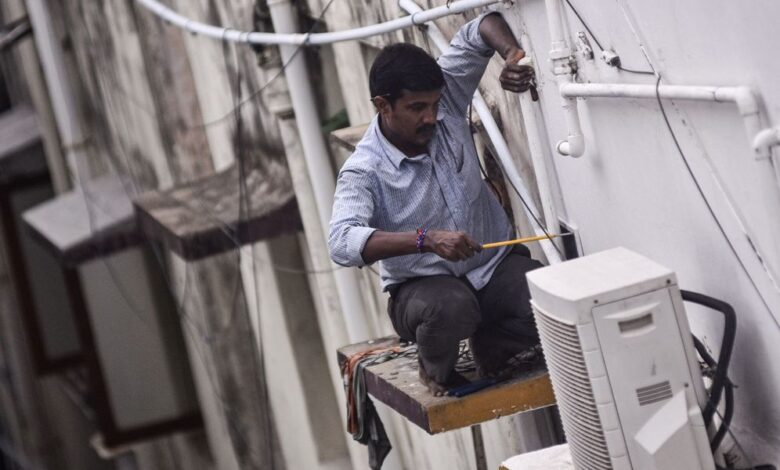
As the summer heat subsides, many Spaniards consider improving their living conditions, with installing an air conditioning system often topping their to-do list. However, what may seem like a simple household upgrade comes with numerous legal nuances. Ignoring these can lead to significant financial losses and prolonged disputes with neighbors. Before calling in technicians, it’s crucial to familiarize yourself with the regulations governing such installations in apartment buildings.
The main issue is that, under Spanish joint property law, the building’s facade is considered communal property. This means no individual apartment owner is allowed to unilaterally decide to place any external elements on it, whether it’s a satellite dish or an outdoor air conditioning unit. Any intervention that could alter the facade’s appearance, compromise the building’s structural integrity or safety, is strictly prohibited without collective consent. The law prioritizes maintaining architectural harmony and upholding the rights of all residents.
Thus, the installation of climate control equipment becomes not a private matter, but an issue that requires the approval of the homeowners’ association. The property owner must officially notify the board of their intentions and, in most cases, bring the matter to a general meeting. A majority vote will ultimately decide whether a new unit will appear on the building’s facade. This procedure is designed to prevent haphazard disfigurement of the exteriors and to ensure that any changes are in the common interest.
However, the law does provide legal options for those seeking comfort. Property management experts explain that equipment can be placed in private areas for exclusive use—such as interior patios or terraces that do not face the main facade. Even in these cases, neighbors must be informed about the planned work. Additionally, there are alternative solutions on the market, such as indoor monoblock units that do not require an outdoor module and therefore do not affect the building’s appearance.
Unauthorized actions can come at a high price. If an owner installs an air conditioner without permission, the residents’ community has every right to demand its immediate removal. If the owner refuses, the case will likely go to court—where the law almost always sides with the community. In the most serious cases, especially in historic city centers with strict municipal regulations, the offender faces fines of up to €20,000. Following the rules is not only a way to avoid penalties, but also the key to peaceful coexistence in a shared building.