Development Strategy: New Directions for the Capital
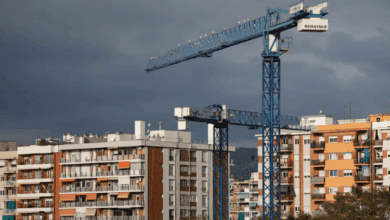
Madrid has launched a long-term program to reduce its environmental impact. The city government announced a comprehensive initiative aimed at achieving climate neutrality by mid-century. The plan places particular emphasis on renovating residential buildings, which is expected to lead to a significant reduction in carbon dioxide emissions.
Action Plan: Key Areas and Objectives
Over the next five years, the city authorities plan to undertake a major upgrade of 80,000 apartments. This project is part of a broad urban agenda focused on reducing energy consumption and shifting to more sustainable energy sources. Officials stress that the residential sector remains one of the main sources of emissions and energy use in the capital. Madrid has about 1.5 million apartments, and their renovation is seen as essential for transforming the city into an environmentally friendly urban environment.
European Standards and Local Initiatives
The program is based on the requirements of the pan-European directive on building energy efficiency. The document sets out specific targets for reducing primary energy consumption: by 16% by 2030 and by 20–22% by 2035. Special attention is given to homes with low energy efficiency, which consume more than half of all energy in the residential sector. Madrid authorities expect that the implementation of this program will not only fulfill European commitments, but also improve residents’ quality of life.
Three key projects: from renovation to digital monitoring
The strategy focuses on three main areas. The first is the ‘Rehabilita’ program, launched in 2020, which involves comprehensive efforts to boost energy efficiency, improve accessibility, and introduce renewable energy sources in residential buildings. The second project—’Transforma tu Barrio’—complements renovations by creating new green spaces and supporting local energy communities. The third component—’Habita Madrid’—is designed for ongoing performance monitoring using digital platforms to track resource savings and emission reductions.
Results and economic impact
Madrid has already become a leader in the pace of housing renovation, surpassing the national average. In recent years, the city has achieved annual savings of over 119 million kilowatt-hours and prevented the emission of more than 27,000 tons of carbon dioxide. The program also boosts the construction sector and creates new jobs: more than 6,000 people are employed in the industry every year. The total investment attracted through public-private partnerships has exceeded half a billion euros.