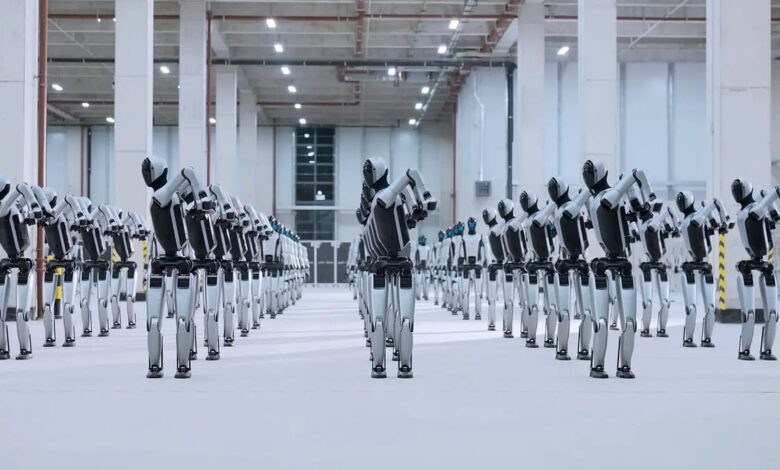
An online debate erupted after a video surfaced showing dozens of Walker S2 humanoid robots, manufactured in China, marching in formation towards shipping containers. The video quickly went viral, sparking a wave of amazement and skepticism. Many compared the scene to iconic science fiction movies where machines flood the streets en masse. However, not everyone was convinced the footage was real: users began searching for signs of editing and digital effects.
UBTech Robotics, a company based in Shenzhen, found itself in the spotlight. Company representatives stated that the video showcases the actual scale of their production and logistics. According to them, the mass shipment of humanoid machines was made possible by coordinated teamwork and China’s technical capabilities. Nevertheless, some online commenters speculated that most of the robots in the video could have been added using computer graphics.
Expert doubts
James Edcock, an American visual effects specialist, drew attention to the reflections on the robots’ bodies. In his view, only the robot in front looks convincing, while the rest appear to be the result of digital processing. He pointed out that the reflections on the metal surfaces do not match the real physics of light, which could indicate the footage is fake.
In response to criticism, UBTech released an additional video filmed by a drone from above. In the new footage, the natural sound of production can be heard, and the robots’ movements appear more lifelike. Nonetheless, skeptics remained unconvinced: some viewers continued to insist that the mass rollout was nothing more than a clever marketing ploy.
Plans for the Future
UBTech Robotics didn’t stop at dispelling the rumors. The company announced plans to significantly increase production of humanoid robots. By 2026, their factories aim to assemble up to 5,000 industrial machines per year, and to double that number by 2027. Company leadership is confident that demand for such devices will only continue to grow, especially in industrial automation and logistics.
The company emphasizes that the Walker S2 is not merely a prototype but a full-fledged product ready for mass deployment. The robots are equipped with advanced sensor systems, capable of performing a wide range of tasks and interacting with people. UBTech believes their innovations could redefine the future of robotics.
Public Reaction
The video’s release sparked a lively response not only among experts but also with the general public. On social media, users shared their impressions, speculated, and debated the authenticity of what they had seen. Some marveled at the technological progress, while others voiced concerns about the potential consequences of widespread adoption of humanoid machines.
Some commentators have compared the situation to well-known cases of deepfake videos, where modern technology is used to create convincing but unrealistic scenes. At the same time, some experts have called for caution, urging people to wait for independent verification before drawing conclusions. The question of whether China has truly become the world’s leading supplier of industrial humanoid robots on such a scale remains unresolved.
In case you weren’t aware, UBTech Robotics is one of the leading companies in the development and production of humanoid robots. Founded in 2012 in Shenzhen, the company specializes in creating intelligent machines for industry, education, and the service sector. The Walker S2 line is the brand’s flagship, earning international recognition at exhibitions and forums. UBTech actively invests in research and partners with leading universities in China and around the world.