Buying an electric car in 2026 isn’t just about choosing a brand—it’s a real lottery, with the prize being countless trips to the service center. A Chinese research report covering thousands of vehicles revealed: the more features and “smart” systems involved, the greater the chance of running into trouble. Owners may get not only a trendy gadget on wheels, but also a whole set of surprises that manufacturers prefer not to talk about.
The LandRoads report recorded 6,950 complaints from electric car users. Of these, 3,687 were related to build quality, and 3,263 to questionable engineering decisions. The most frequent causes of dissatisfaction were unusual noises (24.6% of all reports), issues with exterior parts (18%), and malfunctions in “smart” functions (17.3%). Together, these three categories make up over 60% of all complaints, clearly showing that even the most advanced models are not immune to basic flaws.
A ranking without illusions
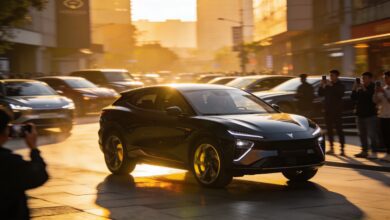
If anyone hoped that premium brands would spare them the headache, there’s reason for disappointment. The top three brands with the fewest problems were AITO, Mercedes, and Tesla—with risk indexes of 123, 126, and 146, respectively. But even they fall short of perfect reliability. AITO stood out for the stable performance of its “smart” systems, Mercedes—for interior silence and reliability of key components, while Tesla was noted for the stability of its electric systems. However, as soon as it comes to complex functions, even these giants start to struggle.
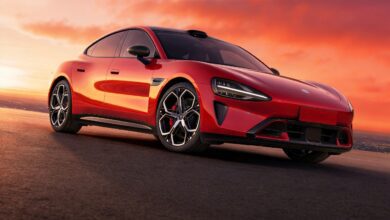
In the large SUV segment, AITO models—M9, M8, and M7—hold the top positions. They are followed by the Li Auto L8 and Voyah FREE. In the mid-size SUV class, the leader is the Avatr 07, while among sedans, Xiaomi SU7 and Tesla Model 3 top the list. In the minivan category, Voyah Dreamer takes first place, which is surprising, to say the least, given the aggressive advertising by other brands.
Complexity is the enemy of reliability
The more features and electronic assistants there are, the higher the risk that something will go wrong. The Chinese report highlights: manufacturers are chasing the number of options, losing sight of stability. As a result, the market has developed a zone of ‘more features—higher risk.’ New functions are introduced faster than engineers can refine them, turning buyers into unwitting testers.
Nevertheless, certain brands like AITO, Xiaomi, NIO, Zeekr, Li Auto, and Voyah manage to keep problems relatively low. Their secret lies in mature electric platforms, smart supplier relationships, and thorough testing in various conditions. But even they can’t guarantee that the next update won’t bring a fresh headache.
The market is on the verge of change
The situation resembles an arms race: whoever launches the latest ‘feature’ first becomes the leader. But in reality, buyers are increasingly looking beyond the number of screens and autopilots, instead focusing on how many times they’ll have to go back to the service center. The electric vehicle industry in China has already experienced a sales boom— last year, the market literally exploded thanks to affordable models. Now the main question is: who can deliver not only innovation but also genuine reliability?
Experts note that the market’s future will depend not on the number of new features, but on manufacturers’ ability to integrate them without sacrificing stability. Consumers are tired of being test subjects, and brands that fail to learn this lesson risk being left behind.
AITO, which has secured a leading position in reliability rankings, entered the market relatively recently but has already made a name for itself as a manufacturer capable of competing with established giants. The brand focuses on integrating advanced technologies and ensuring system stability, allowing it to keep complaint levels low even with a high density of features. This strategy is gradually changing perceptions of what a modern electric vehicle should be and is forcing competitors to rethink their approaches.