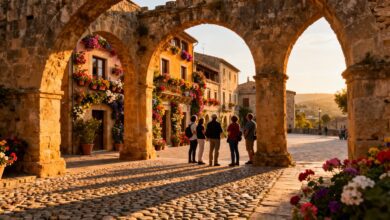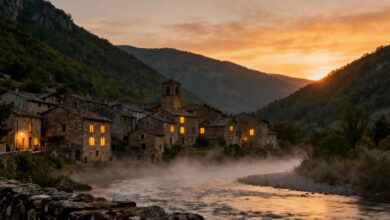
When people hear the word “Mallorca,” they picture sun-drenched beaches, lively tourist promenades, and the vibrant pulse of Mediterranean life. But this postcard-perfect image only tells part of the story. Behind the façade of mass tourism lies a very different island—a world of tiny, mountain villages seemingly lost in time, where life flows to the rhythm of day and night rather than tourist seasons. Immersing yourself in this reality is the best way to understand the soul of the island, free from rush and polish.
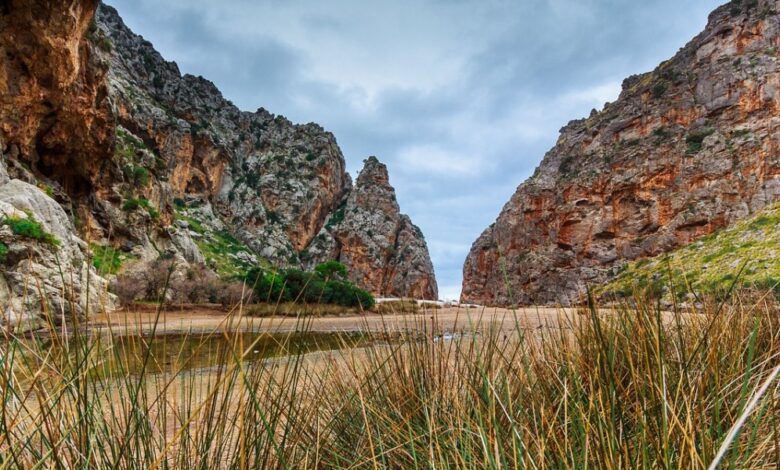
In this world, one place stands out above all. The title of Mallorca’s least populated settlement rightfully belongs to Escorca—a unique municipality nestled deep in the heart of the Serra de Tramuntana mountains. The paradox is that, despite its vast territory, it is home to a mere handful of people. According to the latest data, only 199 residents were registered here in 2025, making it the most remote corner of the island. Escorca’s main treasure isn’t its architecture or history, but its extraordinary natural surroundings. Here you’ll find Mallorca’s iconic landscapes: the Torrent de Pareis gorge, the ancient monastery and sanctuary of Lluc, and the picturesque Cúber reservoir.
Life in Silence
Choosing Escorca as a place to live is a conscious move toward tranquility and total immersion in nature. There are no large supermarkets, shopping malls, or a wide range of services here. The daily routine of locals is closely tied to making trips to neighboring, larger towns for groceries and essentials, which fosters a remarkable sense of self-sufficiency. But what do they get in return? Absolute, almost ringing silence, a night sky untouched by light pollution and filled with countless stars, and a constant, almost tangible sense of unity with the mountains.
The community here is so small that the concept of a “neighbor” takes on its original, almost family-like meaning. Everyone knows each other’s faces, names, and daily affairs. This creates a unique atmosphere of mutual support and togetherness, long lost in big cities. Life here isn’t about isolation, but rather the privilege of being part of something genuine and steadfast.
Record holder by area
While Escorca holds the title for the smallest population, another village, Búger, boasts its own unique record. This municipality is the smallest on Mallorca in terms of land area. Located inland in the Raiguer region, it covers just 8.28 square kilometers—a tiny spot on the map compared to the island’s larger counterparts. Yet despite its modest size, Búger offers an impressively vibrant village life. There’s a central square that serves as the hub of social activity, a handful of family-run shops, cozy bars, and an atmosphere that’s far livelier than you’d expect from such a small place.
Other hidden gems
Beyond these two record-holders, Mallorca is dotted with other small villages that preserve their authenticity and rural traditions, staying well off the beaten tourist path. That’s exactly what makes them so appealing.
Among them stands out Estellencs—one of the smallest municipalities, nestled between majestic mountains and the sea, with truly breathtaking views. Nearby lies Banyalbufar, famous for its ancient agricultural terraces descending to the water and for traditional wine production from the Malvasia grape. Fornalutx, often called the most beautiful village in Spain, enchants visitors with its cobbled streets and stone houses set in a valley of orange groves. And, of course, Deià deserves mention—a tiny yet world-famous village beloved by artists and musicians, perched almost weightlessly above the Tramuntana’s dramatic coastline.
RUSSPAIN Reference. The Serra de Tramuntana mountain range, home to Escorca, has been a UNESCO World Heritage Site since 2011. Stretching for 90 kilometers along Mallorca’s northwest coast, it covers about 30% of the island’s territory. These mountains not only shape the region’s unique landscape but also play a crucial role in its climate and culture. Ancient water management systems and agricultural terraces, dating back to the period of Arab rule, have been preserved here.