The declassification of secret documents regarding the events of February 23, 1981, has reignited the debate over how decisive King Juan Carlos I’s role was in preserving Spanish democracy. On that day, as the country stood on the brink of a military coup, it was the monarch’s actions that proved to be a crucial factor in averting disaster for the political system. Newly released materials, now accessible to the public, shed light on details that for decades remained unknown even to many politicians.
A ceremony honoring Manel García-Pelayo, a renowned jurist and author of a book on monarchy, was held in the Spanish Senate, where not only his scholarly views were discussed, but also the paradox of his position: a republican who advocated for expanding the powers of the crown. The event coincided with the release of archival documents on 23F, adding particular urgency to the discussion. The presence of Felipe VI and the country’s top politicians underscored the moment’s significance for national memory.
Debates over the monarch’s actions
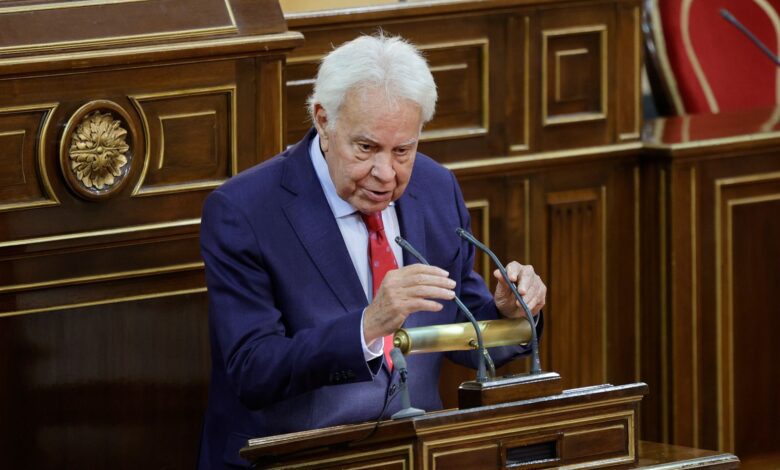
The focus has been not only on the historical figure of Juan Carlos I, but also on issues that still spark fierce debate. Why didn’t the king address the nation on television immediately after the coup began? How did he coordinate his actions with military garrisons? According to former Prime Minister Felipe González, it was precisely caution and a desire to keep control of the situation that helped prevent the coup from spreading throughout the country. He also noted that many people still do not understand how complex the situation was that night, and continue to accuse the monarch of hesitating.
González, who led the opposition in 1981, emphasized that the king acted within the framework of the constitution, despite pressure and threats from the military. He reminded that Juan Carlos I had already voluntarily limited his own powers before the constitution was adopted, which was an important step for the legitimacy of the new political system. These remarks were met with approval in the Senate chamber, including from the current king.
The significance of the declassified documents
The publication of archival materials on 23F has sparked renewed calls for government transparency. According to several politicians, Spain should follow the example of other European countries by establishing clear rules for declassifying state documents. This would help prevent speculation and rumors that have surrounded the events of 1981 for decades. In particular, a former prime minister urged for full openness, so that society can evaluate the actions of all participants in those dramatic events independently.
The new edition of García-Pelayo’s book features previously unknown legal opinions, discovered by his relatives decades after his death. One of them emphasizes that the king’s actions on the night of the coup were impeccable from a legal standpoint and helped prevent the crisis from escalating. Senator Pedro Rollán noted that, at that moment, the monarch became a symbol of constitutionality, while other institutions were paralyzed.
Parallels with the present
The discussion also touched upon recent challenges to Spanish statehood. The participants recalled the autumn of 2017, when after the referendum in Catalonia, the country once again faced the threat of losing its unity. At that time, Felipe VI addressed the nation, supporting not only Spain’s territorial integrity but also the rights of millions of citizens. Senator Rollán expressed his gratitude to the current king for his stance during difficult times and stressed that the monarchy remains an important pillar of stability for Spain.
The ceremony was attended by former and current prime ministers, heads of judicial bodies, and members of parliament. Their presence underscored that questions about the role of the monarchy and government transparency remain highly relevant within Spanish society. As reported by russpain, the publication of new documents could change perceptions of the events of February 23 and influence ongoing debates about the future of the country’s political system.
Juan Carlos I is a key figure in Spain’s modern history. His intervention on the night of February 23, 1981, is seen as one of the most decisive moments for preserving democracy after the dictatorship. Despite the controversies surrounding his persona, it was his resolve and ability to act in a critical moment that helped prevent bloodshed and preserve the legitimacy of Spain’s new institutions. In recent years, discussions about his role have become relevant again amid the declassification of archives and new challenges facing the country.