The annual review of Spain’s wealthiest individuals has once again revealed who sets the pace in the country’s economy. This year, familiar names have topped the financial Olympus, with their business empires continuing to expand despite global challenges. Analyzing their strategies and business models offers valuable lessons for entrepreneurs and anyone interested in understanding how major fortunes are built in today’s market.
Titans of Fashion and Real Estate

Unsurprisingly, the top spot goes to Inditex textile magnate Amancio Ortega, whose fortune is estimated at over €120 billion. His business model, centered on the “fast fashion” concept, enables rapid adaptation to shifting trends and tight control over the entire process from design to sale. Vertical integration has been the key to his success, allowing for maximum speed and oversight. However, this approach has faced criticism regarding environmental impact and working conditions. Ortega’s strategic foresight is also evident in his asset diversification: through his investment firm Pontegadea, he has invested heavily in prime real estate across Europe and the US, bolstering his financial stability and securing his place among the world’s wealthiest individuals. His daughter, Sandra Ortega, with a fortune of around €10.4 billion, is Inditex’s second-largest shareholder. She takes a more conservative investment approach via the Rosp Corunna holding and is highly active in philanthropy, heading the Paideia Galiza foundation.
Builders, Retailers, and Bankers
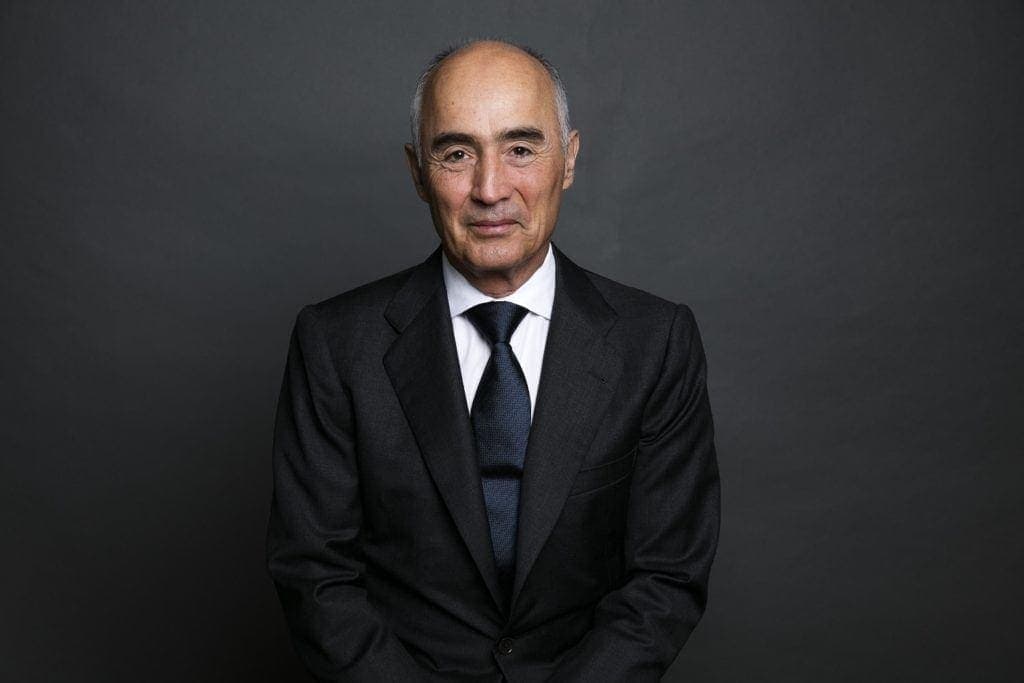
Next on the list are titans from other key sectors. Rafael del Pino Calvo-Sotelo, head of construction giant Ferrovial, has a fortune of €7.1 billion. His company specializes in large-scale infrastructure projects such as airports and highways, securing a leading position in the market. His sister, María del Pino, is also a major shareholder and is actively involved in philanthropy. Juan Roig, founder of the supermarket chain Mercadona, with a net worth of €5.8 billion, built his empire on top-notch service and efficient management. With more than 1,600 stores, his company is renowned for customer loyalty programs and a unique approach to staff: a significant share of profits is reinvested as employee bonuses. Mango founder Isak Andic, with €4.5 billion, has taken his brand global, launching stores in 120 countries. His strategy blends the expansion of physical locations with a robust online presence. In the banking sector, Juan Carlos Escotet stands out (€4.1 billion), president of Abanca, who is rapidly growing his business through strategic acquisitions and investments in sports.
Wealth and Inequality: The Big Picture
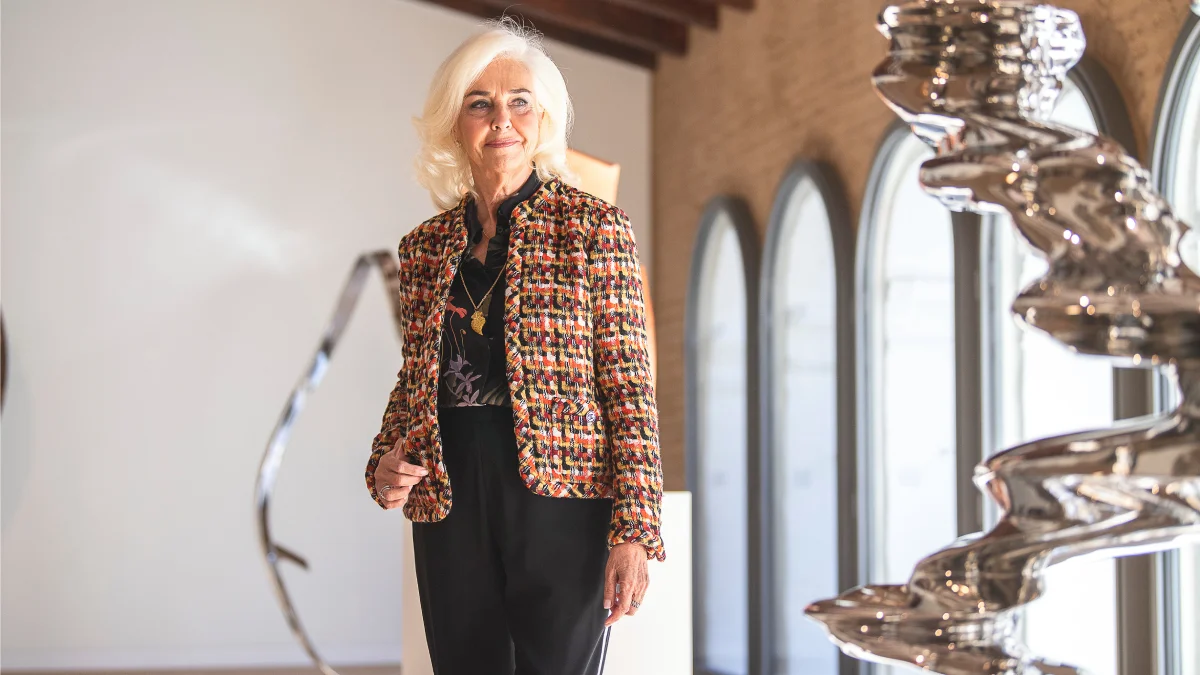
Rounding out the top ten are Hortensia Herrero (co-owner of Mercadona), Daniel Maté (shareholder in commodity giant Glencore), and Sol Daurella Comadrán (head of Coca-Cola Europacific Partners). Their success stories highlight the range of industries where it’s possible to build multi-billion fortunes in modern Spain. However, alongside these impressive wealth figures, the issue of economic inequality is becoming increasingly pressing. Recent studies show that the gap between the rich and poor in the country has continued to widen since 2008. The Gini coefficient, which measures income inequality, has noticeably increased. There is also a significant disparity in economic development levels across regions. While Madrid, País Vasco, and Navarra report per capita GDP above the EU average, regions like Andalucía and Extremadura lag behind by more than 25%. This situation raises serious questions about the need for tax reforms and a fairer distribution of wealth in society.