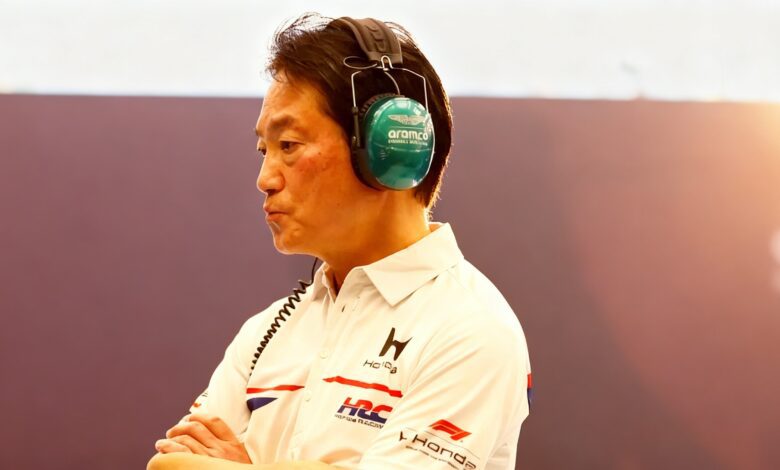
In 2026, Honda became a central topic of discussion due to changes within its engineering team, which had a direct impact on Aston Martin’s results. After Adrian Newey publicly expressed dissatisfaction over the reduction in personnel, the company decided to clarify its position. According to Koji Watanabe, the policy of staff rotation has long been in place and affects not only motorsport, but also other technological areas of the group. Management believes this approach helps foster new projects, but under Formula 1’s strict budget constraints, it has led to significant challenges.
In November of last year, Aston Martin and Lawrence Stroll discovered that only about a third of the previous team remained at the Sakura engineering center—the group responsible for the successful Red Bull power unit. Many specialists had been reassigned to other projects, including solar panel and aviation technology development. As a result, Aston Martin started the season clearly behind, something that became apparent in the opening rounds of the championship. Koji Watanabe notes that rebuilding the structure took time, but now Honda maintains that it has assembled the team needed to tackle current objectives.
The impact of rotation
Power unit vibration issues have become a major topic of discussion in the paddock. According to Watanabe, solving these problems requires joint efforts not only on the engine, but also on the chassis. Specifically, damage near the battery area was discovered after the engine was integrated into the car’s design. During dynamometer tests, vibration levels were considered acceptable, but turned out to be higher in actual running conditions. This shows that responsibility for the result lies not just with Honda, but also with Aston Martin, which designed the chassis. The company emphasizes that close cooperation between both sides is now underway to find the best solution.
Ahead of the race in Japan, the team focused on improving energy management to increase the power unit’s efficiency. However, as Honda acknowledges, due to a late development start and restrictions on updates, major power gains this season are unlikely. At the same time, as RUSSPAIN.COM notes, these difficulties are not unique to Honda—other manufacturers are also facing the impact of new regulations, making the fight for leadership even more intense.
2026 regulations
With the introduction of the ADUO system, opportunities for engine upgrades have become extremely limited. According to Watanabe, in 2026 teams will have to focus on reliability and minor power increases within the current regulations. This means major technological breakthroughs have been postponed indefinitely, and the competition will center on optimizing existing solutions. Honda has already developed a joint plan with Aston Martin to restore competitiveness, but details of the project remain confidential.
In conditions where every detail can affect the final result, teams are forced to look for unconventional approaches. Recalling how last year Porsche surprised the electric car market with its new Cayenne—prompting a strong reaction even among brand fans—one can draw parallels with the current situation in Formula 1: technological challenges like these can shift the balance of power at any moment.
The role of Aston Martin
The collaboration between Honda and Aston Martin goes beyond standard partnership. Working together to solve technical problems requires ongoing knowledge exchange and flexibility in decision-making. Honda emphasizes that only a comprehensive approach will achieve stability and return the team to competitiveness. At the same time, upgrade restrictions force teams to find new ways to increase efficiency without breaching regulations. This creates additional internal pressure and demands maximum focus from all team members.
Koji Watanabe holds a key position at Honda HRC, overseeing development strategy and the integration of new technologies in motorsport. Under his leadership, the company not only maintains its tradition of staff rotation but also actively implements innovative solutions across different sectors—from mass production to aviation and energy. This approach enables Honda to remain a leader in high-tech fields, despite temporary difficulties and challenges arising from changes in Formula 1 regulations.