A journey through the reservoirs of Palencia has long been one of the most unusual ways to explore the north of Castile. This route not only connects several major hydraulic structures, but also grants access to wild nature, where you can encounter deer, see birds of prey, and hear the roar of autumn. For city dwellers, it’s a chance to escape the hustle and literally breathe in the fresh air of mountainous Palencia.
The 55-kilometer-long road begins in the village of Aguilar de Campoo. Here, travelers are greeted not only by well-developed infrastructure but also by the sensation that time itself has slowed down. Just a few kilometers in, you’ll see views of the largest reservoir in the region—Aguilar. In summer, you can swim here or enjoy water sports, which families with children and outdoor enthusiasts especially appreciate.
Mountain valleys
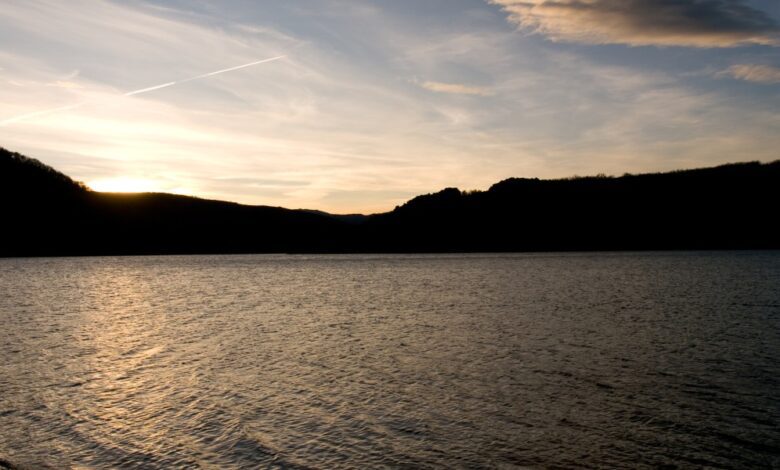
Continuing on, the route leads to the town of Cervera de Pisuerga, which serves as a gateway to the mountainous part of Palencia. Here, among old houses and narrow streets, there’s a unique atmosphere. Just a few minutes’ drive away is the Resga reservoir, known for its elongated shape and mirror-like surface reflecting the mountain peaks. Even on overcast days this spot doesn’t lose its charm, while in clear weather it becomes a true paradise for photographers.
The next stage is a journey along a narrow, winding road to the Rekeada reservoir. Here the landscape grows harsher: the slopes are covered in dense forests, and the shores are strewn with boulders. This spot is rarely crowded, making it easy to feel like a part of untouched nature. The water remains cold even in summer, and the air is rich with the scent of pine needles and damp earth.
Villages and mountain passes
After returning to Cerbera, the route heads towards the Alto de la Varga pass. This stretch is a real challenge for drivers, but the views from above are well worth the effort. Beyond the pass lies the Carrion River valley, home to the village of Alba de los Cardaños. Here, you can spend the night or set off on one of the many trails leading to mountain peaks and hidden lakes.
Climbing higher up the valley, travelers reach the Camporredondo reservoir. Its dam, hewn into the rock, blends seamlessly with the natural landscape. Nearby are the villages of Cardaño de Arriba and Cardaño de Abajo, both popular starting points for routes through the Fuentes Carrionas nature park. Here, tourists with backpacks are a common sight, joined by locals chatting leisurely at the entrance to the bar.
The route finale
The final chord of the journey is the Compuerto Reservoir. It marks the end of the classic route and welcomes visitors with dense pine forests and secluded viewpoints. Here, the contrast between the region’s industrial past and its new tourist identity is especially palpable. The final stop is the town of Velilla del Río Carrión, once a center of the coal industry, now increasingly focused on eco-tourism.
Each reservoir along this route has its own history and character. Aguilar is the largest, ideal for swimming and water activities. Requejada is small but picturesque, featuring a unique ecosystem. Ruesga is rugged and wild, attracting those seeking solitude. Camporredondo is one of the oldest, with a dam that blends harmoniously into the rock. Compuerto, surrounded by pine forests, signals the shift toward new opportunities for enjoying nature.
The reservoir route of Palencia is more than just a road connecting points on a map. It’s a chance to witness how nature and people can coexist, shaping unique landscapes while preserving the traditions of mountain villages. Here, everyone can find something personal: some will seek tranquility, others adventure, and still others inspiration for new discoveries.
The reservoirs of Palencia are not just feats of engineering, but a vital part of the region’s life. They supply water for agriculture, support local ecosystems, and have become a magnet for tourists. In recent decades, these areas have turned into a symbol of sustainable development and respect for nature. Locals take pride in their history and eagerly share it with visitors, maintaining a balance between tradition and modernity.