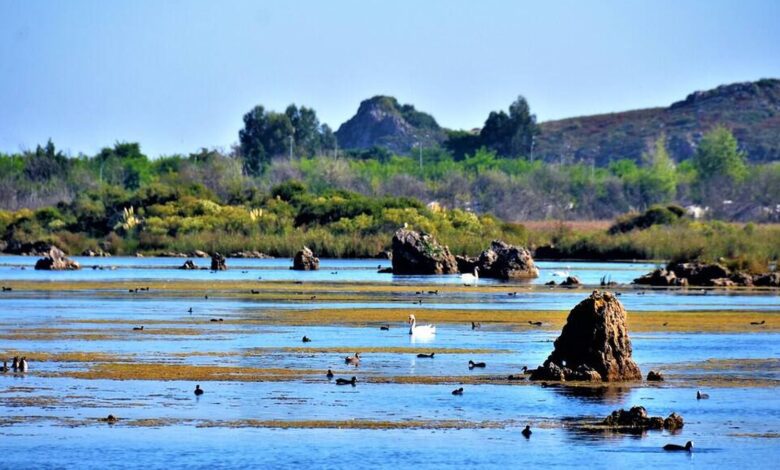
In the north of Spain lies a nature reserve that annually becomes the stage for one of Europe’s most spectacular natural shows. Spanning more than 6,500 hectares, it brings together wetlands, dunes, oak groves, and estuaries, forming a complex mosaic of landscapes. This is not just a beautiful place — it’s a strategic stopover for thousands of migratory birds who choose these lands to rest and feed during their long journeys between continents. For ornithologists and all who appreciate wildlife, this park is a true find, where you can observe rare species in their natural habitat.
Since being designated a protected area in 1992, the park has become one of the most important nature reserves in northern Spain. Its significance goes far beyond the region: every year, more than 15,000 individuals of over 120 bird species are recorded here. Among them are the majestic osprey, the elegant Eurasian spoonbill—half of the entire Dutch population passes through these marshes—and also herons, avocets, wigeons, and coots. Each season brings new surprises: in spring and autumn, even the rarest visitors can be spotted here, ones you won’t see anywhere else on the Iberian Peninsula.
The world of marshes and tides
The park encompasses ten municipalities in Cantabria, including well-known locations such as Santoña, Noja, Arnuero, and Laredo. Within its borders lie the Assón River estuary, the Joyel and Victoria marshes, Berria Beach, as well as unique coastal dunes and Atlantic oak forests. In addition to birds, otters, polecats, and weasels inhabit the area, while salmon, mollusks, and even octopuses can be found in the waters. Along the shores, old tidal mills have been preserved, and at the park’s heart stands the former El Dueso prison, giving this place a special atmosphere.
For those who prefer leisurely walks, there are trails that make it easy to explore the most picturesque spots. One of the most popular routes starts at the modern Interpretation Center, housed in a building with panoramic views of the marshlands. The path along the Solija stretches for two kilometers and is perfect for family outings: along the way, information panels tell about the local flora, fauna, and tidal features. The landscape changes before your eyes—sunlit sandbanks appear, only to be hidden again beneath the water as entire patches of land vanish.
Birds and People
Every year, not only Spaniards come here, but also visitors from other countries, to witness thousands of birds gathering to rest before the next stage of migration. Special attention is drawn to spoonbills, which can be observed up close here—a rare opportunity in Europe. The park regularly hosts educational tours, birdwatching workshops, and themed festivals dedicated to the nature of Cantabria. For locals, this reserve has become not only a symbol of environmental responsibility but also a focal point for the development of ecotourism.
Interestingly, Spain has other unique places where nature and creativity intertwine in the most unexpected ways. For example, in Catalonia there is an enchanted forest with a hundred miniature sculptures and replicas of works by Gaudí and Dalí—read more about this remarkable site in the article about the nativity scene among the trees.
Accessibility and routes
Getting to the park is easy: it’s just a 35-minute drive from Santander via the S-10 and A-8 highways, and just under an hour from Bilbao. A free Interpretation Center is open to visitors, where you can pick up route maps and get birdwatching tips. Temporary exhibitions and expert meetups are also held here. It’s important to remember: the park is not just a place to relax, but also a fragile ecosystem that requires careful treatment. Visitors are advised to keep quiet, stay on the trails, and avoid disturbing wildlife.
In recent years, the park has become an example of how nature conservation and tourism development can go hand in hand. Thanks to the efforts of local authorities and environmentalists, unique biodiversity has been preserved here, along with creating opportunities for safe wildlife observation. For many visitors, this is more than just a walk in the open air—it’s a genuine immersion in a world where people and nature coexist in harmony.
The Marismas de Santoña, Victoria y Joyel Park is not only the largest nature reserve in Cantabria, but also a key stopover for migrating birds between Europe and Africa. Its territory includes marshes, estuaries, sand dunes, and oak groves, home to hundreds of animal and plant species. In recent decades, the park has become a symbol of ecological responsibility in the region and a magnet for thousands of nature enthusiasts from all over Europe. Here, unique natural landscapes, historical monuments, and modern educational centers come together, making it one of the most fascinating ecotourism destinations in Spain.