In December, Spaniards traditionally celebrate several important holidays, and many are already wondering when the next official day off will be. After Constitution Day (Día de la Constitución), which is held annually on December 6, the nation’s attention turns to Christmas. This holiday, falling on December 25, is considered one of the most anticipated and beloved in Spain.
Unlike the December ‘puente’, when long weekends often occur due to holidays falling close together, Christmas in 2025 lands on a Thursday. This does not automatically create an extended weekend, but many people try to take additional time off to extend their holidays and spend more time with their families. This is especially relevant for parents of schoolchildren, as schools close for winter break, offering a chance for family trips or simply relaxing at home.
Festive atmosphere
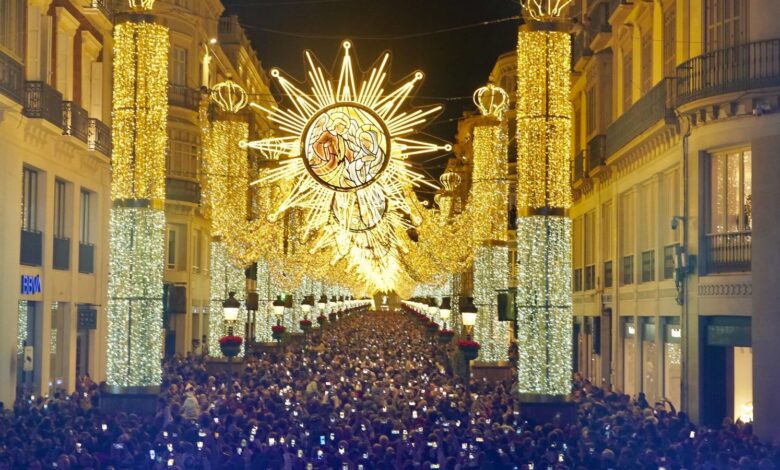
With the arrival of December, Spain’s cities and villages transform: streets are decorated with garlands, Christmas trees are set up in squares, and store windows are filled with holiday goods. A special buzz fills the air—people are hurrying to buy gifts, planning family dinners, and discussing where and with whom they will celebrate. Here, Christmas is not just a religious date, but also a time for traditional gatherings, exchanging well-wishes, and sharing festive meals.
In most regions of the country, December 25 is an official public holiday. It’s a time when the streets empty out as homes fill with laughter, the aroma of roasted meats, and sweets. Spaniards put special emphasis on family traditions: gathering at the table, exchanging gifts, and reflecting on the year gone by. For many, it’s a chance to temporarily forget about work concerns and fully immerse themselves in the holiday spirit.
Work schedule and time off
Although Christmas doesn’t always allow for a long weekend, its proximity to New Year’s and Three Kings’ Day (Reyes Magos, January 6) makes the end of December and the start of January a special time. Many companies and organizations adjust their working hours so employees can spend more time with loved ones. In some cases, businesses close for several days, and shops and restaurants operate on reduced hours.
For tourists and city residents alike, this period is a great opportunity to experience local traditions. Christmas markets, concerts, and street performances take place across the country. The festive markets in Madrid, Barcelona, and Seville are especially popular, offering souvenirs, traditional foods, and an atmosphere of celebration.
Holiday plans
School holidays in Spain usually begin a few days before Christmas and last until mid-January. This gives families the opportunity to plan trips either within the country or abroad. Many opt for ski resorts in the Pyrenees or head south to enjoy the mild climate of Andalusia and the Canary Islands.
In recent years, more Spaniards have chosen short trips around the country, discovering lesser-known towns and villages. These journeys are becoming a great alternative to traditional vacations and offer a chance to explore the culture and history of different regions.
Upcoming holidays
After Christmas, two more important dates await Spaniards: January 1st — New Year’s Day, and January 6th — Three Kings’ Day. Both are official holidays with their own traditions. The celebration of the Three Kings is especially vibrant, featuring colorful parades through the streets and children receiving gifts.
Thus, the end of December and the beginning of January in Spain is a time when life slows down and people try to devote as much time as possible to family and friends. Despite the absence of a long ‘puente’ after Constitution Day, the festive atmosphere and a string of holidays allow everyone to feel the special spirit of the winter break.
In case you didn’t know, RUSSPAIN.COM reports that Christmas (Navidad) is one of the main holidays in Spain, celebrated across the country. On this day, most shops, offices, and government institutions are closed, and public transport operates on a special schedule. Traditionally, Spaniards gather for a family meal, preparing dishes with lamb, seafood, and sweets such as turrón and polvorón. The festive season continues until the Day of the Three Kings, which marks the end of the winter celebrations.