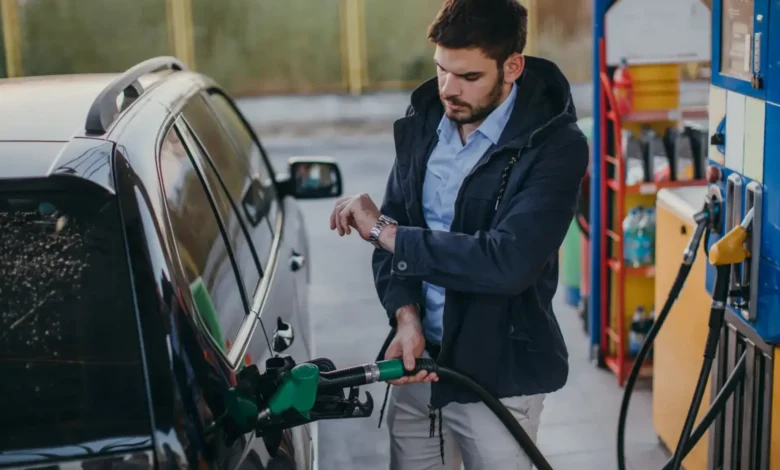
Reducing fuel costs and lowering harmful emissions is becoming an increasingly important task for Spanish motorists. With rising gasoline prices and stricter environmental standards, drivers are looking for practical solutions to make their trips more economical and safer.
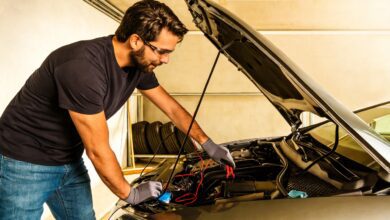
Regular vehicle maintenance is the foundation of efficient operation. Clean filters, proper oil, and timely engine diagnostics help avoid unnecessary expenses and keep all systems running optimally. Checking the condition of spark plugs and injectors also helps prevent hidden faults that could increase fuel consumption.
Monitoring tire pressure is another important factor. Underinflated tires increase rolling resistance, which directly affects fuel consumption. Manufacturers recommend checking tire pressure at least once a month and following the specified guidelines. Overinflation is also undesirable, as it can affect handling and safety.
Choosing tires with low rolling resistance offers additional savings. Information about these features can be found on the labeling. The lower the resistance, the less energy is required for movement, which means lower fuel consumption.
Route planning helps avoid unnecessary trips and traffic jams. Using modern navigation apps allows you to choose optimal routes, reducing travel time and the number of stops.
Maintaining a steady speed and smooth driving is key to saving fuel. Sudden acceleration and braking lead to increased fuel consumption. On highways, it is recommended to use cruise control whenever possible.
Letting the engine idle for extended periods is not beneficial. If the stop lasts more than a minute, it is better to turn off the engine. In modern cars with a start-stop system, this process is automated.
Starting the engine without pressing the accelerator is another useful habit. For diesel engines, it is advisable to wait a few seconds after starting so the oil can distribute evenly through the system. In petrol cars, you can start driving immediately, avoiding sharp pressing of the gas pedal when the engine is cold. With manual transmissions, it is recommended to switch quickly to second gear after starting.
Using higher gears at low RPM reduces engine load and fuel consumption. If you need to accelerate, it’s better to shift to a lower gear to avoid damaging the clutch.
Reducing the vehicle’s weight also affects efficiency. Avoid carrying heavy items in the trunk unnecessarily, and use roof racks only when absolutely necessary.
Climate control and air conditioning should be used sensibly. It’s recommended to air out the cabin before turning on the system, and the optimal temperature is 21-22 degrees Celsius. Excessive cooling increases fuel consumption.
Open windows at speed create additional air resistance, which also results in higher fuel costs. It’s better to keep the windows closed when driving on the highway.
Modern automotive technologies allow for optimized fuel consumption. Studying the manual and using built-in systems helps achieve better results.
Anticipating traffic situations in advance helps avoid sudden maneuvers and braking, which has a positive effect on fuel economy.
Hybrid car owners are advised to use the electric mode as much as possible to reduce gasoline or diesel consumption.
Using special additives and high-performance oils can further reduce fuel consumption by several percent. It is important to choose products that meet the manufacturer’s recommendations.