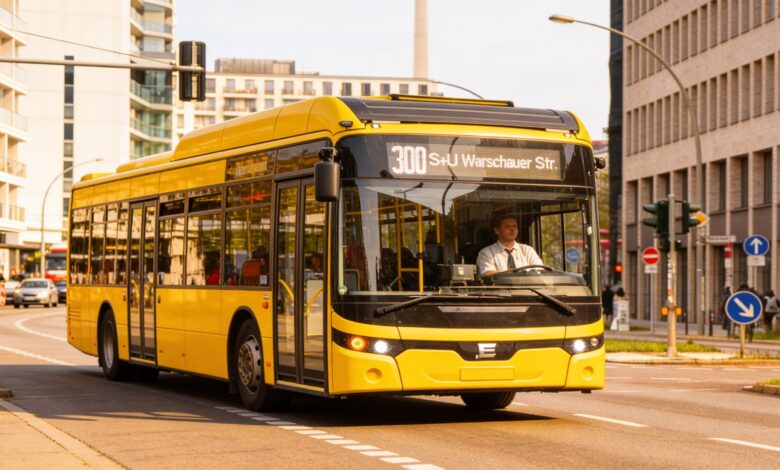
The switch to electric transport in Germany is already yielding tangible results: CO₂ emissions in cities are decreasing, and traditional diesel buses are gradually disappearing from the streets. The government has invested 417 million euros in upgrading public transport, enabling the purchase of nearly 1,900 new electric buses. This large-scale initiative is not only accelerating the green transformation but also setting the pace for other European countries.
In recent years, Germany has become a leader in deploying electric buses in cities. According to Autobild, over 1.5 billion euros have been allocated since 2021 to develop alternative modes of transport. Thanks to these investments, more than 2,200 electric buses are already operating on the country’s roads, and CO₂ emissions savings have surpassed 130,000 tons. Authorities emphasize that moving away from diesel isn’t just a trend—it’s a genuine necessity for improving quality of life in major cities.
New priorities
Germany’s Ministry of Transport has no intention of slowing down. A new support program has already been announced, providing an additional 500 million euros through 2026. These funds will be allocated to expanding the electric bus fleet and developing the necessary charging infrastructure. Special attention is being paid to building new charging stations, as the speed of the transition to eco-friendly transport largely depends on their availability.
In major cities like Berlin, Munich and Hamburg, electric buses are becoming a familiar part of the urban landscape. Local authorities note that operating these vehicles is less expensive, and street noise levels have significantly decreased. Both drivers and passengers appreciate the comfort and the absence of exhaust fumes, which is especially important in densely populated areas.
Spain follows in their footsteps
The success of the German program has inspired other European countries. Spain is actively adopting its neighbors’ experience: since 2022, 1.5 billion euros have been allocated to upgrade urban transport. In 2024, the budget increased to 450 million euros to speed up the purchase of new electric buses for the country’s largest cities. Madrid has already ordered 120 electric buses to be delivered by 2027, while Barcelona and Valencia are gradually expanding their eco-friendly fleets.
In Valencia, for example, the share of low-emission buses is set to reach 93% by the end of next year. This will not only help reduce air pollution, but also save on fuel and maintenance. In Barcelona, the first 19 electric buses are already on routes, and new charging stations are being actively built in Madrid. This approach proves that switching to electric transport is not only about environmental care, but also a smart investment in the future of cities.
A European trend
The shift to electric buses is becoming a Europe-wide trend. Germany and Spain demonstrate that government support and a clear strategy make it possible to rapidly transform the transport system. It’s worth noting that these changes are not limited to Europe: in China, electric vehicles have long led in sales, and local manufacturers are actively entering the European market. For example, as noted in the report on record electric car sales in China, it is the widespread adoption of electric transport that is reshaping the global market.
In Europe, the focus is on reducing emissions and improving the urban environment. The authorities in Germany and Spain are convinced: only a comprehensive approach, which includes renewing the vehicle fleet and developing infrastructure, can achieve real change. Already, new electric buses are becoming symbols of transformation and an example for other countries.
Patrick Schnieder, Germany’s Minister of Transport, has become one of the main driving forces behind an ambitious program to switch to electric transport. Thanks to his efforts, the country has not only accelerated the renewal of urban buses but has also laid the groundwork for further development of green technologies. Schnieder actively supports the introduction of new standards and investment in infrastructure, believing that only in this way can a sustainable future be secured for cities and their residents.