Potential car buyers in Spain often focus on horsepower, considering it the main indicator of a vehicle’s performance. However, torque, listed in specifications as Newton-meters (Nm), is an equally important parameter.
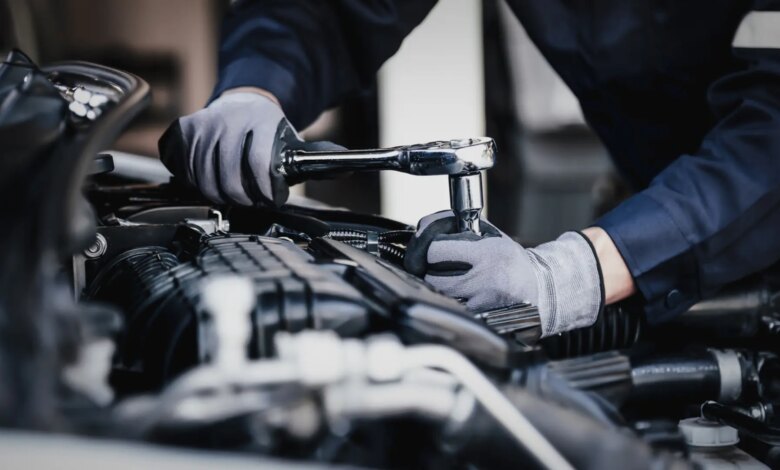
Torque determines how efficiently the engine can rotate the crankshaft, and thus drive the wheels. Put simply, it’s the force with which the engine “pushes” the car forward. A common analogy is with a wrench: the longer the lever, the easier it is to turn a tight bolt. In a car, the engine acts as the lever, while the crankshaft is the bolt setting the whole system in motion.
High torque is especially important for those planning to use their car for transporting cargo, towing trailers, or frequent highway driving. For example, diesel SUVs like the Audi Q7 3.0 TDI can produce up to 600 Nm, providing confident acceleration even when fully loaded. Electric cars, such as the Tesla Model S, stand out for their instant torque delivery, which enables rapid acceleration from a standstill.
At the same time, compact city cars like the Toyota Yaris 1.5 with a gasoline engine usually have more modest figures—around 140 Nm. This is sufficient for urban driving, but on highways or uphill stretches, the engine may need to work harder.
The differences between engine types are also evident. Diesel engines are traditionally known for their high torque at low RPMs, making them preferable for heavy vehicles and long-distance travel. Gasoline engines, on the other hand, reach their peak performance at higher RPMs, which requires a different driving style. Electric motors stand out for their ability to deliver maximum torque from the very start, positively affecting acceleration dynamics.
Understanding these technical nuances helps Spanish motorists choose the vehicle that best meets their needs—whether it’s for daily city commutes, traveling across the country, or work involving cargo transport.