Fingerprint records identified 56 of the 69 people killed in the Urda rail crash; DNA analysis identified the other 13. The Instituto Nacional de Toxicología carried out the DNA work with the Guardia Civil’s Criminalistics Service. By 3 November, forensic authorities had identified all 69 victims under Spain’s national protocol for medico-forensic and police-scientific action in mass-casualty incidents.
Families have been notified of all 69 deaths. The two people still at the Instituto de Medicina Legal y Ciencias Forenses de Toledo have not yet been handed over because the relevant consular services are completing the necessary procedures. The other 67 have been returned to their relatives.
According to the Centro Integrado de Datos (CID), 54 of the people killed were Spanish nationals and 15 were foreign nationals. The victims were 40 men and 29 women, all adults. The crash involving an AVE high-speed train and an Iryo train occurred near Urda, in Toledo province, on 28 October.
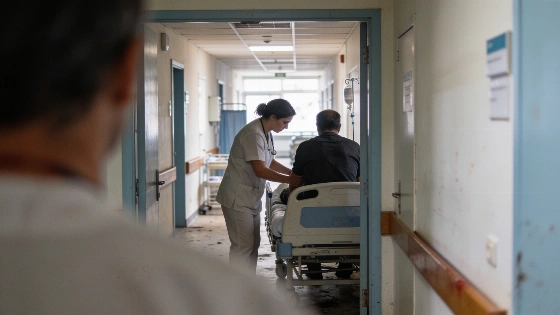
The reported hospital tally is 28: 18 people in Madrid and 10 in Castilla-La Mancha. That is down from 41 people still hospitalised on 1 and 2 November, including 16 in intensive care. In Madrid, one patient is in intensive care at Hospital Ramón y Cajal, with three others on a ward there. Hospital de La Princesa has two patients; Hospital 12 de Octubre has four; and Fundación Jiménez Díaz has three. One person remains at the Clínico and another at Hospital de Torrejón. Hospital Gregorio Marañón has two patients on a ward, while one is at Hospital Puerta de Hierro.
In Castilla-La Mancha, six people are being treated in Toledo, including two in intensive care. Hospital Mancha Centro in Alcázar de San Juan has one patient, while Hospital de Ciudad Real has two in conventional beds; another patient from Ciudad Real was transferred to Madrid. One further person is at Hospital de Albacete. The Servicio de Salud de Castilla-La Mancha (Sescam) says it has discharged 100 of the 110 people initially hospitalised after the crash. Regional authorities had reported 81 discharges by 2 November.
The Unidad Militar de Emergencias (UME) provided logistical support to the forensic institutes in Toledo and Ciudad Real during the identification and notification work. Its support ended when those processes were complete.