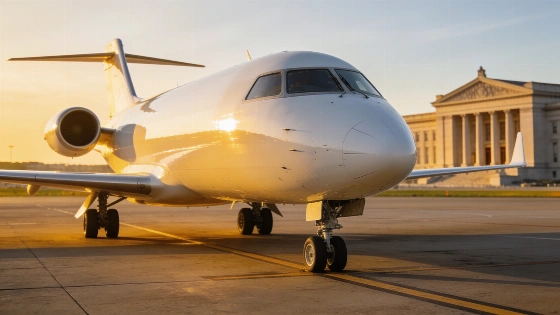
Air Europa has repaid the €475 million it received during the pandemic, with interest. But the decision to grant the rescue remains under judicial investigation. The case concerns whether the public loan was awarded lawfully.
Appearing by videoconference as a witness before Madrid’s Court of Instruction No. 49, Sara Aagesen denied that the operation involved irregularities or that anyone pressured her to support it. Legal sources said she maintained that Air Europa met the fund’s requirements.
Aagesen was a member of the management board of the Fondo de Apoyo a la Solvencia de Empresas Estratégicas (FASEE). That body reviewed applications and submitted proposals to the Council of Ministers. She said its decisions relied on technical reports from the competent units, including SEPI. The ministries represented on the board and external experts also contributed.
The inquiry began with a complaint from PP and Vox over public aid to several companies during the pandemic. For now, the court’s proceedings focus on Air Europa. Bartolomé Lora, vice-president of the Sociedad Estatal de Participaciones Industriales (SEPI) and its acting president when the aid was approved, is the sole person under investigation.
The judge is examining an alleged offence of administrative prevarication linked to the loan. In a statement as an investigated person in July, Lora acknowledged that meetings about the operation took place before the application window opened, while denying wrongdoing.
Aagesen said she could not recall specific details of the transaction, which was approved in 2020. She referred the court to her testimony before a Senate inquiry into SEPI’s management, where she said she had received no instructions or political pressure over any FASEE case. She also said she did not know whether José Luis Ábalos, then transport minister, had an interest in the rescue and had not been contacted by people around him.
Other witnesses who appeared in the case defended the handling of the file. They included Ana de la Cueva and Pilar Paneque; Raúl Blanco and Francisco Javier Loriente also appeared. Some said the aid moved quickly because Air Europa was the first company to apply and no other files were being processed at the time. They also said the airline did not face the external financing difficulties identified in some later cases.
The €475 million was issued as two loans: a €240 million participatory loan and an ordinary loan of €235 million. SEPI reported in November 2025 that the company had repaid the full amount early, together with interest. Separately, RUSSPAIN.com has covered another public spending issue in its account of Díaz’s campaign costs.