Andalusian Government Redirected Water Fees Millions of Euros at Risk. In Andalusia, funds collected from water fees were used for projects other than purification. The decision sparked criticism and could result in new fines. Our article examines the conflict and its impact on the region.
Andalusia has changed the rules for using funds collected from the water levy, directly impacting residents’ quality of life and expenses. Money originally designated for wastewater treatment is now being redirected to restore infrastructure damaged by winter storms. This decision has already raised concerns among experts and civil society groups, as the region faces significant fines for failing to meet European water purification standards.
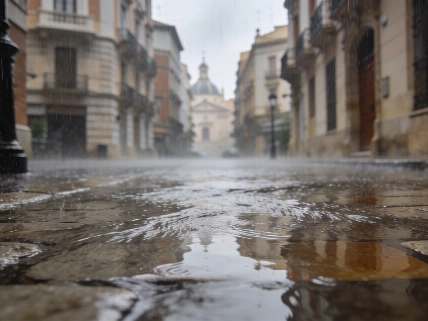
According to El Pais, every resident, business, and farmer pays a special water fee intended to fund water treatment and modernization projects. The fee was abolished in 2022, but reinstated a year later with a 30% increase. Nevertheless, in February 2026, authorities decided to temporarily use these funds to address the aftermath of heavy rains instead of tackling persistent water treatment issues.
Rising fines and court rulings
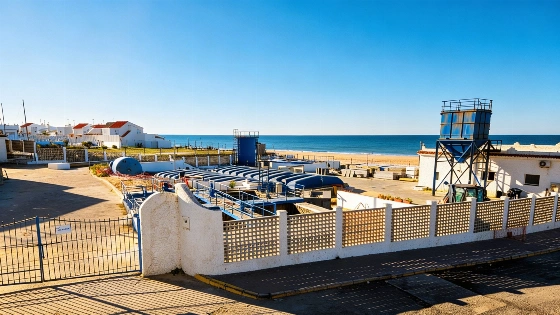
Problems with water treatment in Andalusia and other regions of Spain have long drawn the attention of European institutions. In December 2025, the European Court confirmed that Spain is violating the EU directive on wastewater treatment in dozens of cities, including 15 localities in Andalusia. In recent years, the state and autonomous communities have paid over 84 million euros in fines, and that amount continues to grow. For insufficient treatment alone in Barbate and Matacascañas, the state pays more than 1.8 million euros every six months, while Andalusia pays over 600,000 euros for Alhaurín el Grande.
Municipalities also face sanctions, but Spain’s Supreme Court recently ruled that the responsibility for the lack of treatment facilities lies with the regional authorities. This allows cities to challenge fines if they cannot build the necessary infrastructure on their own. As a result, local administrations increasingly cite a lack of infrastructure to avoid penalties for polluting rivers and reservoirs.
Public response and criticism
The decision to reallocate funds triggered a sharp reaction from public organizations. According to representatives of the “Mesa Social del Agua de Andalucía”, such actions undermine public trust since the fee is paid directly through water bills. The organization notes that Andalusia remains one of the regions with the greatest shortage of treatment plants, and changing how the funds are used only worsens the situation.
Critics point out that funding for storm recovery should come from other sources, not from funds meant for addressing structural issues. Authorities in Andalucía, in turn, refer to the central government's approach, which also used special funds for emergency needs during the COVID-19 pandemic. However, members of the public believe that the pandemic and the aftermath of bad weather are not comparable in scale or consequences.
Impact on infrastructure
In 2025, when the levy was used as intended, the region completed 16 water treatment projects worth 38.5 million euros. Now, however, the timeline for new projects remains uncertain. According to russpain.com, if the trend of redirecting funds continues, the region risks facing even higher fines and a worsening ecological situation.
Disagreements have emerged within the 'Mesa Social del Agua' itself: some agricultural organizations support aid to those affected by natural disasters but oppose using water levies for this purpose. Experts from the Association of Water Supply and Sewage Operators stress that resources should be dedicated to water issues, otherwise the chronic infrastructure deficit will only worsen.
Context and similar cases
The issue of the targeted use of budget funds for infrastructure projects has repeatedly sparked debate in Spain. For example, Catalonia recently launched a large-scale program to renovate school buildings, with over 100 million euros allocated for this purpose — more details can be found in the article on school repair funding in Catalonia. Such decisions often provoke discussions about priorities and transparency in the allocation of resources, especially in areas that directly affect public health and safety.
In recent years, Spain has seen a rise in the diversion of earmarked funds to emergency needs, causing delays in long-term projects. This is particularly noticeable in regions with outdated infrastructure: issues with water treatment, sewage system upgrades, and water supply remain unresolved for years. European authorities continue to monitor the situation closely, regularly emphasizing the need to meet environmental standards to avoid new sanctions and protect citizens’ interests.