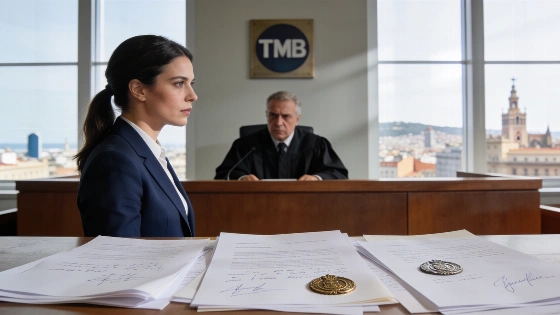
The Social Court in Barcelona has upheld the dismissal of Carmen Macías, TMB’s former compliance director, after finding that she harassed a subordinate. The case described persistent criticism and exclusion from meetings, alongside the assignment of unattainable objectives. The incidents reportedly began after the employee joined Macías’s team in 2018 and escalated over time.
The court rejected Macías’s argument that her dismissal was retaliation for an internal investigation into alleged misconduct by TMB executives. The company presented documents describing a pattern of degrading treatment: the employee was moved to administrative duties, colleagues were advised to avoid contact with him, and he was subjected to humiliating remarks and outbursts.
Macías sought reinstatement, arguing that her dismissal followed from her role overseeing TMB’s internal reporting system and her involvement in investigating a harassment complaint against other managers. The judge found no evidence of retaliation and upheld the dismissal, citing the severity of the harassment. The complaint against Macías was filed in September 2024, shortly after TMB introduced a protocol requiring external investigations of workplace-harassment allegations.
Spanish employment law distinguishes between a dismissal upheld on its merits and one declared null for violating protected rights. In a separate case, the Supreme Court’s Social Chamber ruled in STS 757/2026, dated 29 September 2026, that dismissal is not automatically null solely because a worker is a victim of gender-based violence. The court ordered reinstatement, back pay and €10,000 in moral damages in that case. The ruling involved different circumstances and does not determine the outcome of Macías’s case.
TMB is the public-transport group associated with Barcelona’s bus and metro services. Its structure includes Transports de Barcelona, S.A.; Ferrocarril Metropolità de Barcelona, S.A.; Projectes i Serveis de Mobilitat, S.A.; Transports Metropolitans de Barcelona, S.L.; and the TMB Foundation. That structure matters in employment and compliance cases because TMB encompasses several legal entities.
The case adds to scrutiny of workplace conduct and accountability within Spanish public institutions. Similar tensions have surfaced in other high-profile legal disputes, including the controversy involving the General Council of the Judiciary and disciplinary action against judges, as reported in coverage of internal divisions within Spain's top judicial body.
Workplace harassment, or "acoso laboral," remains a concern in Spain. Employers are expected to prevent and investigate allegations, while courts assess the evidence when reviewing disciplinary dismissals. TMB’s use of external investigations reflects an approach designed to separate complaint reviews from internal management. The ruling shows how documented conduct and evidence of retaliation can shape disputes over dismissal and reinstatement.