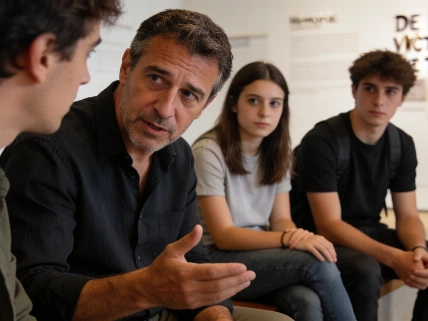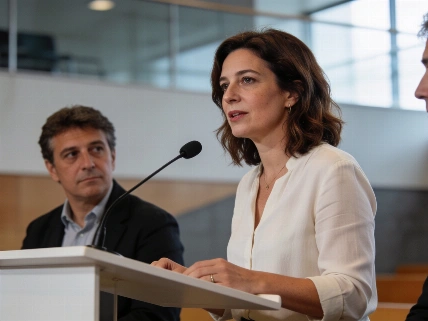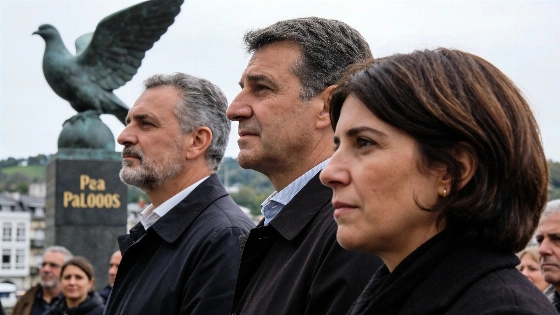
More than 50 victims of terrorism and illicit police violence attended the ceremony in Donostia / San Sebastián on 10 November 2026. Gogora, the Instituto de la Memoria, la Convivencia y los Derechos Humanos, organised the seventeenth edition of the Basque Day of Memory, an institutional observance established 16 years earlier. The date was chosen because it is regarded as the only day of the year on which nobody was killed by ETA. The commemoration honoured victims of ETA and other terrorist organisations, as well as victims of police violence.
Lehendakari Imanol Pradales chaired the event and argued that remembrance should underpin future coexistence. He described memory as a moral resource for society and a way to recognise victims of terrorism and violence. Speaking beside Néstor Basterretxea’s Paloma de la Paz, Pradales said memory should help lay the foundations for a fairer, freer future by reinforcing democratic values, rejecting violence and upholding human rights.
Pradales said remembrance was especially necessary amid what he called a worrying social climate. He pointed to global and local agitation aimed at challenging democracy and the rule of law. He also warned of growing attempts to justify or normalise violence and dehumanise people seen as different, saying this further harms victims. He appealed to society to disarm attitudes and language that promote any form of violence.
Pradales called for dialogue and for people to build bridges. He said the consequences of choosing violence decades ago were still being felt and urged people to keep discussing and remembering the past. He presented memory as a foundation for future coexistence and a way to uphold human rights alongside ethical and democratic values.
Gogora director Alberto Alonso described peace as exceptional in Euskadi’s recent history: several generations have lived in democracy without the threat of violence since the Civil War. He said society had learned to live with disagreement without violence, but warned that the coexistence achieved after years of pain remained fragile.
Alonso also thanked victims for their generosity and commitment to peace. He called for renewed support for peace and human rights. Representatives from EAJ-PNV, EHBildu, PSE-EE, Elkarrekin Podemos and Partido Popular attended the ceremony; the PP’s housing and border pledges were covered in a separate campaign report.
The central ceremony in San Sebastián was scheduled for 17:30. Earlier that day, at 09:00, the Basque Parliament held a parallel commemoration in Vitoria-Gasteiz, with a floral offering and a minute of silence beside Cristina Iglesias’s sculpture Gauerdiko Iparrorratza-Brújula de Medianoche. Representatives of PNV, EH Bildu, PSE-EE and Sumar attended the parliamentary event; PP and Vox were absent.
Leire López del Pueyo recited Felipe Juaristi’s poem ‘Txorien Aberria’, accompanied on piano by Naiel Ibarrola, grandson of Agustín Ibarrola. The event ended with a silent civic gathering beside the Paloma de la Paz sculpture.