On July 14, temperatures in Bayonne climbed above typical seasonal levels under unusually warm, clear skies. Bright sunshine dominated from the morning, pushing aside any early haze. The minimum temperature was 19°C, while the afternoon high is forecast to reach 25°C, notably above the average for this time of year. The city lies where the Adour and Nive rivers meet in France’s Basque Country. Its mild, wet oceanic climate makes short spells of warmth and sunshine part of a changeable maritime pattern. Climate profiles put Bayonne’s annual mean temperature at about 15.2°C and annual precipitation above 1,400 mm.
Morning conditions have been mild, with temperatures around 23°C. By midday, the temperature is expected to reach 25°C and hold there through the afternoon. Evening readings are forecast to stay between 23°C and 25°C. The sky is expected to remain clear at night, leaving no clouds to obstruct stargazing. Météo-France’s station network publishes measurements at six-minute intervals, tracking temperature, humidity, pressure, wind and precipitation. The data distinguish observed conditions from forecasts, including those issued for the afternoon and evening.
Tomorrow, Bayonne is forecast to enjoy another day of strong sunshine and mild breezes. Temperatures are expected to range from a low of 20°C to a high of 24°C, with winds reaching up to 14 km/h. Morning readings are forecast to be around 22°C, rising to 24°C in the afternoon, again above typical seasonal levels. Evening temperatures are expected to average 23°C, extending the current warm, stable pattern.
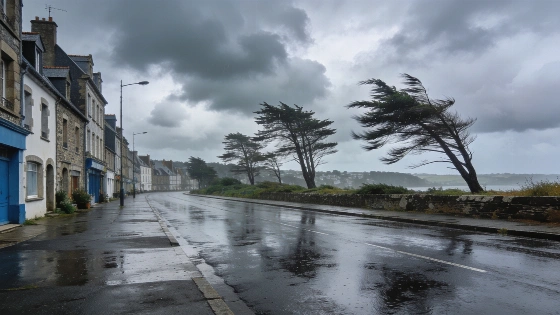
This spell of settled weather is not expected to last. Meteorological projections for the coming weeks point to more unsettled conditions, with rain likely to return and temperatures stabilizing near 24°C. Later Bayonne weather summaries have also described cloudy, showery conditions, including a subsequent forecast day with a high of 16°C and a low of 10°C. Forecast wind speeds on some later days reached 23 to 54 km/h. That shift reflects the region’s changeable maritime climate, not a lasting move away from generally wet conditions. The change could affect local routines and outdoor activities, with tourism also exposed. Sustained warmth can potentially influence energy use and water demand, with implications for local agriculture. Residents and visitors are advised to monitor forecast updates as rain and cooler air are expected in the near future.