QR codes and direct messages steered users into private WhatsApp* (принадлежит Metа, которая признана экстремистской организацией и запрещена в РФ) and Telegram groups, where organisers set meeting points and times. Posts also told participants what to wear and bring.
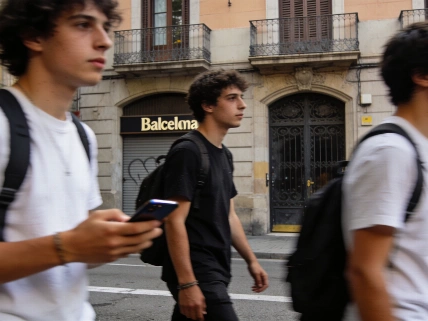
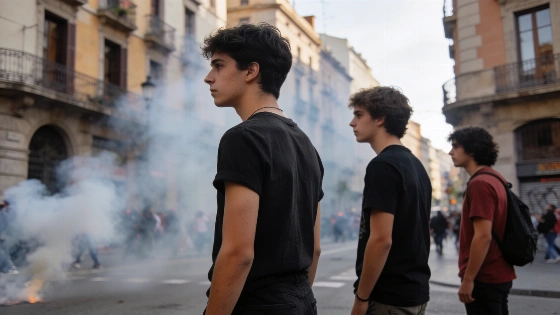
The Blocus calls have been linked to student protests in Paris and other French and European cities. In October, mobilisations and disturbances connected with the movement were also reported in Barcelona.
At first, the calls urged students to take to the streets in support of quality education. The movement later shifted towards vandalism, without a shared demand. Official sources say most participants are minors.
The online campaign relied on TikTok posts featuring similar-looking posters. They used white and red lettering over images of the city named for a protest, often with flames. The designs appeared to have been made with artificial intelligence. Anonymous accounts publishing them were deleted and replaced by new profiles.
That pattern makes the calls difficult to track as they spread. Platform algorithms can give greater visibility to posts that attract interaction and strong emotional reactions. Research cited in the source material also describes how movements adapt short videos and striking images, adding overlaid text to fit the rules of Социальная сеть, TikTok and X.
Social networks do not cause violence by themselves. Research indicates they can speed up mobilisation and amplify messages that build group identity. A study of Gab found that hate speech travelled through networks where users posting such messages were more closely connected, helping those messages reach a wider audience.
Technology also shapes the flow of information during demonstrations. Research published in 2018 on international protests described how online networks carried strategic information during events and circulated shared demands.
Spanish authorities have also warned about risks tied to anonymous accounts in a separate school context, covered in related reporting. Spanish National Police guidance for people targeted by school-linked anonymous accounts advises preserving screenshots that show a post alongside its date and profile information before blocking or deleting content. It also advises reporting posts through platform tools and telling a trusted adult or the school when minors are involved. Victims and their families can also report the conduct to police.
Telegram has blocked groups related to Blocus. TikTok says it has removed videos promoting criminal activity, interrupted live broadcasts and suspended accounts. The platform also says it has strengthened moderation and restricted related searches and recommendations.
Those steps cannot prevent every repost. Messages can move to other apps through screenshots or alternative links, leaving platforms and authorities reliant in part on reports from users.