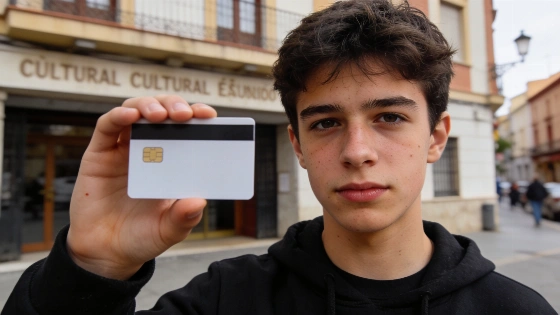
Spain’s 18-year-old cohort in 2026 is estimated at 561,459 people, according to the Instituto Nacional de Estadística (INE). The Bono Cultural Joven has received 374,131 applications from that group, equal to 66.6% of the estimated total. The Ministry of Culture reported the figure on 5 November, during the programme’s fifth edition.
The nationwide subsidy for people turning 18 began in 2022. Applications for the 2026 edition are still subject to individual checks by the Administración General del Estado, so the final number of beneficiaries may differ from the current total.
Applications are already above the 363,054 beneficiaries recorded in 2025, although those checks are not complete. The 2026 total is also expected to take the programme’s five-edition tally above 1.67 million if applications are approved at roughly their reported level. That calculation uses this year’s applications, not a confirmed final beneficiary count.
The first four editions, from 2022 to 2025, saw 1,298,764 people receive the benefit. Annual totals were 277,607 in 2022 and 323,668 in 2023. The count then rose to 334,435 in 2024, followed by 363,054 in 2025.
Regional figures reported on 5 November included more than 16,200 applications in the Basque Country and more than 16,800 in Galicia. Castilla y León had more than 16,700, while Navarra recorded more than 5,800. Santa Cruz de Tenerife province reported 6,939 applications. These figures form part of the national total and remain subject to the same administrative review.
Correos, which provides the scheme’s banking support, has begun sending virtual and physical cards to successful applicants. Once awarded the grant, recipients have one year to spend the €400 at participating cultural businesses. Across Spain, 4,217 establishments are listed.
The grant can be divided among eligible areas. The €200 limit covers live arts and audiovisual culture, as well as cultural heritage and artistic creation. Physical cultural products have a €100 limit, as does digital or online consumption. Alternatively, the full amount can go to one eligible category, including cultural courses and workshops. It can also cover musical instruments or artistic creation materials. This course option is distinct from research policy, such as the doctoral training pilot agreed by Ibero-American states.
The programme is governed by a Royal Decree approved by the Council of Ministers on 21 March 2023, which remains valid indefinitely. Its 2026 allocation is €170 million under the extended state budgets.