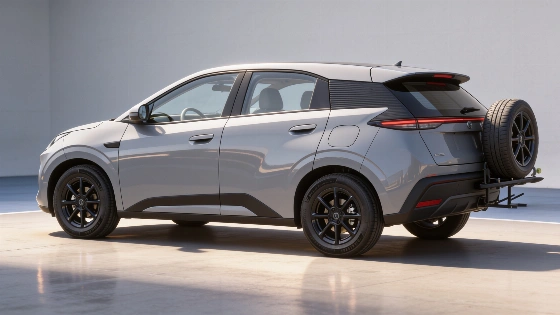
BYD has overhauled its entry-level electric car: the second-generation Seagull now measures 4.21 meters, up 42.5 centimeters from the previous model. It moves out of the microcar bracket and into the territory of larger hatchbacks.
The changes go beyond size. The wheelbase grows to 2.65 meters from 2.5, and seating expands from four to five. A front trunk adds 94 liters of storage. The rear motor now delivers 127 CV (95 kW), 73% more than the previous 55 kW. BYD has sold about 1.55 million Seagulls since 2023, and the new version signals a shift in how the company sees its cheapest EV. China’s Ministry of Industry and Information Technology says the new Seagull’s rear electric motor delivers a top speed of 150 km/h.
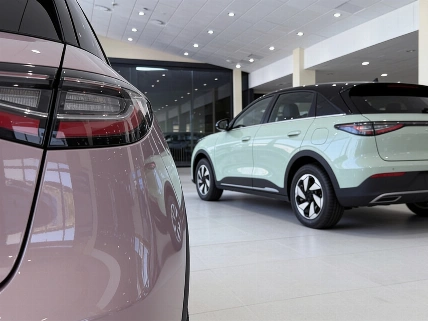
For city drivers, the Seagull’s growth cuts both ways. More length and cabin space could improve comfort, especially in the back, but its original strengths, tight handling and easy parking, may take a hit. Designers have tried to disguise the extra bulk with a rising beltline, floating roof and trident-shaped headlights. Chinese buyers will have six color choices: green, pink, orange, blue, white and grey.
Inside, the Seagull is moving upmarket. Top trims will feature a double-screen setup for driver and passenger, a massage function for the driver’s seat and LiDAR technology. BYD hasn’t revealed the standard rear trunk size, but says cargo capacity reaches up to 1,380 liters with the back seats folded.
BYD has not said whether the new Seagull will come to Europe. The Dolphin Surf sold in Spain is based on the earlier Chinese Seagull, though the two differ. The European Dolphin Surf already measures 3.99 meters, offers five seats and delivers up to 156 CV. The new Chinese Seagull is longer and has a longer wheelbase, and it exceeds the 4.16-meter Dolphin G in length. BYD has not said whether the next Dolphin Surf will follow suit.
Reports citing official registration data indicate that the new Seagull will be offered with two battery options: 30 kWh and 39.2 kWh. BYD has not disclosed official range figures or charging speeds for either version.
Chinese buyers can already reserve the new Seagull with a refundable 2,000 yuan deposit. Its official launch in China is scheduled before the end of 2026. The Seagull has moved beyond its bare-bones city-car roots toward a more fully featured utility vehicle.
Chinese automakers are stepping up their push into Europe with bigger, better-equipped EVs. BYD’s Great Tang SUV, for example, broke sales records in China and is preparing for a European debut, information from recent registration updates. Competition is heating up at every price level.
BYD’s move to bulk up the Seagull could prompt rivals to rethink their own entry-level EVs. Its size, power and features set a different bar for what a budget electric car can deliver.