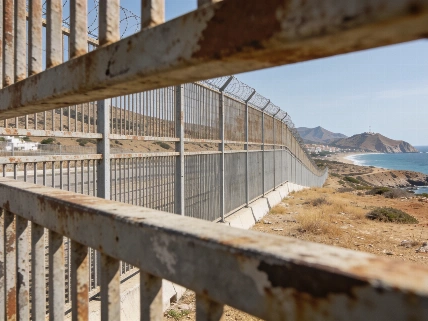
The number of inmates in Catalonia granted semi-freedom has fallen by 14 percent in five years. Official goals for open prison regimes remain unmet. Legal and demographic hurdles are driving the decline.
Catalonia’s plan to expand semi-freedom for prisoners is falling short. The government set a goal for 30 percent of inmates to be in open regimes by 2025, but the current figure has dropped to 22 percent—a 14.4 percent decrease over five years. Legal obstacles and changes in the prison population are making it harder to reach the target.
Officials acknowledge the problem. Domingo Estepa, director of Penitentiary Affairs, says the current situation makes the original goal nearly impossible. The government has quietly lowered its aim to 25 percent. The gap between policy and reality is growing, even as Catalonia continues to promote itself as a leader in open prison policies.
Presidente del Tribunal Constitucional, Cándido Conde-Pumpido, announced that from September 22, the court will begin reviewing amparo appeals related to the Catalan amnesty law, with some cases expected to be resolved by the end of the year.
One major challenge is the rising number of foreign inmates, many without legal residency or stable ties in Spain. This makes it harder for prison boards to approve third-degree status, according to the Sindicatura de Greuges. The ombudsman’s office has criticized the slow pace of granting semi-freedom, saying the system is not supporting reintegration for those who need it most.
Legal barriers have also grown. Since 2016, the Fiscalía has tripled its appeals against semi-freedom requests, especially for serious crimes. In 2024, prosecutors challenged 562 applications—a 26 percent increase from the previous year. Supreme Court rulings give these appeals the power to suspend semi-freedom in some cases, blocking many releases.
Recent reports confirm that the legal conflict over Catalan prison policy remains active into 2026, with the Constitutional Court set to discuss amparo appeals after decisions on the amnesty law. These upcoming rulings could influence the next steps of the Supreme Court and shape the broader legal landscape in Catalonia.
Academic research highlights the scale of the issue. Albert González Jiménez, a professor at Universitat Pompeu Fabra, analyzed 2,764 judicial decisions on prosecutor appeals in Catalonia between 2019 and 2024. He found that nearly one in three third-degree requests faced legal challenges, with prosecutors often overruling the judgment of prison authorities who know the inmates best.
Some point to resistance inside the prison system itself. Josep Cid, a criminologist at Universitat Autònoma de Barcelona, says many officials still treat second-degree status as the default and see third-degree as an exception. As a result, most inmates finish their sentences under stricter conditions, which undermines gradual reintegration.
Even for those who do achieve semi-freedom, setbacks are common. Cid’s recent study interviewed 29 inmates who lost their third-degree status in 2024. Reasons included drug use, family conflict, and not following open regime rules. Sometimes, a lack of trust or cooperation with staff made it harder to manage risks. Prosecutors can also revoke third-degree status, sending inmates back to closed conditions.
The debate over Catalonia’s prison policy reflects broader tensions seen elsewhere in Spain. As reported earlier, judicial intervention and administrative caution often leave vulnerable groups caught in the middle.
Catalan authorities continue to promote open regime policies and work with partner organizations to support inmates’ transition. But the numbers show that legal and demographic barriers are outpacing reform. The government’s decision to lower its own targets signals a step back from its most ambitious promises. Unless the underlying obstacles in the courts and within the prison system are addressed, most inmates in Catalonia will not see the benefits of a more open, rehabilitative approach.