The Mossos d’Esquadra have assigned Catalonia’s general strike their highest risk rating, level 4 out of 4. They are deploying 9,000 officers, 50% more than on a normal day. Initial estimates put attendance at the main peaceful union marches at more than 50,000.
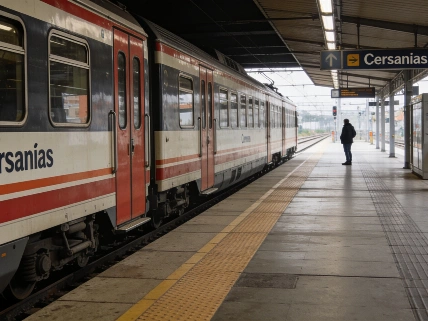
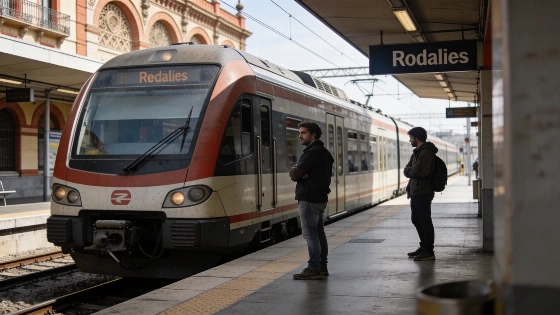
For commuters, the immediate question is whether public transport can meet its minimum-service levels. Rules published by the Government of Catalonia on 9 November require at least 25% of normal service on Rodalies and regional rail, Barcelona Metro, TMB buses, Ferrocarrils de la Generalitat, Tram and other urban and interurban services during the protected periods: 6.30am to 9.30am and 4.30pm to 9pm. A government notice updated on 10 November says Rodalies and regional trains will run no service outside those windows. The Barcelona airport bus has a higher minimum of 50%.
Tuesday’s train drivers’ stoppage has already cast doubt on whether the guarantees will be met. Rodalies reportedly operated only half of the mandated minimum during the morning, leaving passengers stranded. The Catalan executive threatened action against the operator. The drivers’ stoppage was separate from the general strike. A further Renfe drivers’ stoppage is scheduled for Thursday.
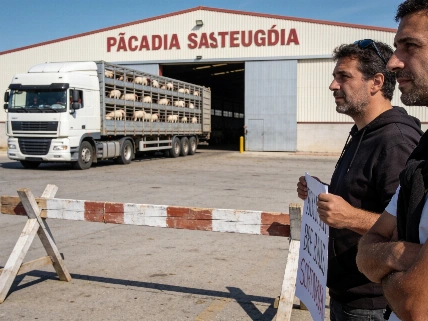
Unions expect road blockages from early morning, with pickets forecast on major routes around Barcelona and across Catalonia. The Sindicat de Llogateres promoted the strike, which unions registered through as many as 13 separate calls. CCOO and UGT have made a joint call, while CGT, IAC, Intersindical-CSC, COS and CNT have registered separate ones. Marches are scheduled for 5.30pm at Jardinets de Gràcia in Barcelona, Girona and Lleida, and for 6pm in Tarragona and Tortosa.
The dispute centres on whether housing costs belong in a labour protest. Foment del Treball and Pimec oppose the strike, describing it as political. Pimec president Antoni Cañete has said housing is a serious problem affecting both rental and purchase markets, but argued that the strike is the wrong way to address it. The Cambra de Comerç de Barcelona has also called its character more political than economic, pointing to its timing 18 days before elections and two days before the official start of the campaign. Unions argue that rising housing costs, particularly in Catalonia and Barcelona, affect workers because wages have not risen at the same pace.
The Plataforma per una feina i una casa dignes frames the action as a protest over employment conditions and access to housing. Its demands include a €1,600 minimum wage and minimum pension, a 35-hour working week, lower rents, a ban on evictions without alternative housing and a larger public housing stock. Organizers also call for stronger public services and wider use of permanent contracts.
CCOO says at least 700 companies will join the stoppage through their works councils, including Seat’s factory in Martorell. Access roads to Barcelona Airport and the Zona Franca are expected to face disruption from Tuesday night. The airport bus service is due to operate at 50%. Worker travel is also expected to be affected by the transport stoppages.
The Govern has suspended ministers’ agendas but is not joining the strike. No members of the executive are expected at demonstrations. After the Consell Executiu, Territory Minister and government spokeswoman Paneque urged people to listen to the protesters. She said the Govern’s responsibility was to protect the right to strike and the right to work. Generalitat employees have also been called to join the stoppage, and a government instruction on permitted leave arrangements has angered unions.
Essential services have separate minimums. Hospital emergency departments, intensive care, dialysis, births and cancer treatment are to operate normally, while primary care is set at 25% of staff. Schools must have one member of management and one teacher for every six groups. Nursery and school dining services are set at 33%, and special education at 50%. Emergency phone lines, remote assistance and the service for victims of gender-based violence are to run at 85%.
Care homes are to operate as on a public holiday, while public radio and television are to broadcast half of their news bulletins. The transport minimums apply during the specified peak periods. For Rodalies and regional trains, the government’s published schedule provides no service outside those windows.