Before a meal on La cena de los idiotas, each guest writes down a prejudice they hold about another diner. After dinner with Pablo Iglesias, Cayetano Martínez de Irujo asked Gonzalo Miró for a copy of the programme to keep in his library, Miró said at the format’s presentation. The aristocrat had spent three months wavering over whether to take part. RTVE announced the programme on 6 November 2026 and premiered it on La 1 four days later, with Miró as host and Proamagna as production partner. The Iglesias–Martínez de Irujo dinner was planned for a later instalment, alongside Begoña Villacís and journalist Carmen Tomás. The premiere instead brought together Bertín Osborne and Pablo Echenique, with Cristina Cifuentes and Montserrat Domínguez also at the table.
Miró tied that hesitation to his own passionate political appearances on television. He said Cayetano had nearly withdrawn after seeing him in political debates. Miró repeatedly tried to persuade him that his on-screen intensity would not define their dinner. The two knew each other personally: Miró was once Cayetano’s brother-in-law. In an interview with El Correo published on the day of the premiere, Miró described pairings such as Iglesias and Martínez de Irujo as a way to challenge assumptions about people who seem to have little in common.
The meal focused on the value of money. Iglesias and Cayetano discussed wealth and taxes, then turned to inequality. The production team said the conversation included clashes. The men also joked and shared childhood memories. Miró described the programme’s aim as helping guests understand one another, not changing their political convictions. RTVE’s format brings four guests with different backgrounds and views around the table each week. The programme was scheduled for Tuesdays at about 23:15 on La 1.
The prejudice exercise puts that aim to a practical test. Guests write down their assumptions before sitting down, then open the envelopes at the end to see what others thought of them and whether the conversation challenged those views. The format focuses on what happens after the expected argument, as much as on the disagreement itself. RTVE presented the dinners as a place for conversation and disagreement. Guests could exchange personal experiences and potentially find common ground, moving away from the confrontational style associated with political debate programmes.
Proamagna spent months coordinating schedules and persuading guests to share a table. Some were reluctant; others refused. Miró said the producers also had to steer conversations away from the habits of a television debate when those habits began to take over.
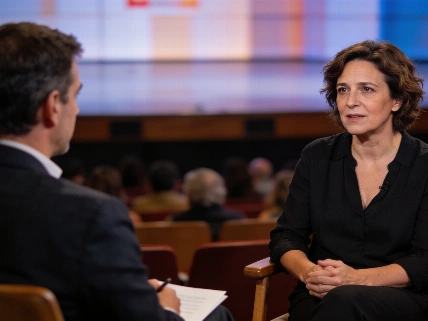
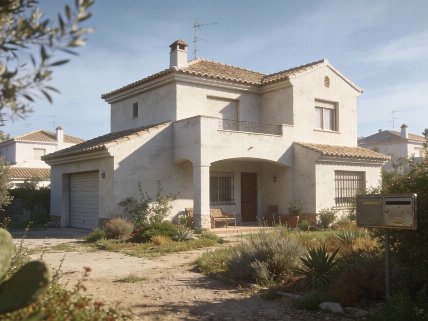
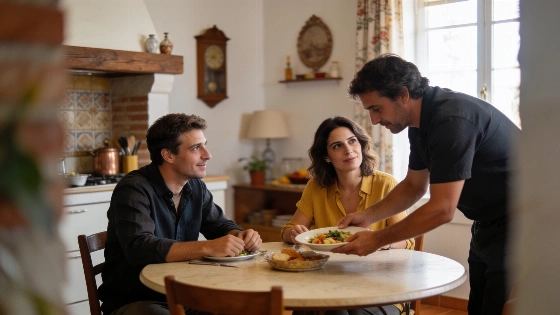
The dinners are filmed in a real house, with cameras kept largely out of sight. Recording continues for about three hours and 15 minutes, even when guests get up to help in the kitchen or serve themselves. Miró welcomes the group and serves them, shifting from his role on Malas Lenguas to that of host.
A circular table fitted with LED technology supplies images and archive material during the meal, along with statements and questions. Its lighting caused reflections that gave the production team problems as they worked out how to protect the screen without obscuring what appeared on it.