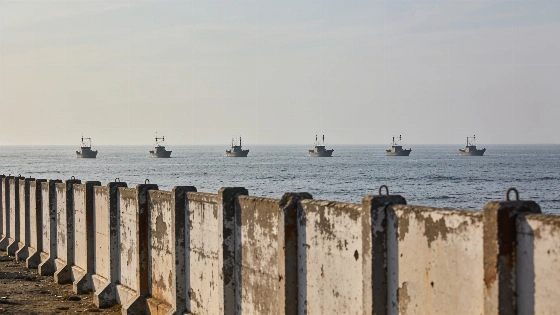
The Guardia Civil’s Ceuta operations chief said the Government delegate gave him no instructions during the mass entry from Morocco. He had reported six Moroccan vessels the night before; police testimony also alleged Moroccan agents helped people advance.
The National Police chief in Ceuta said officers faced the mass entry without advance warning or an extraordinary deployment. He said he had requested more resources, but the force’s protocol was not activated.
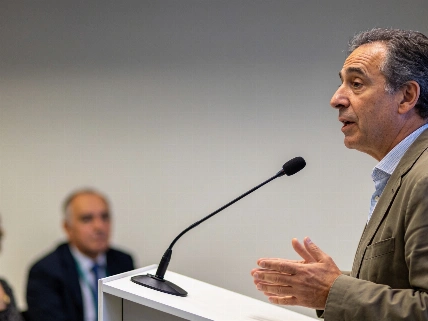
The witnesses gave their accounts to National Court judge María Tardón, who is investigating the mass entry from Morocco on 30 and 31 July 2026. They were Lorenzo Juan Fages, the National Police inspector chief posted in Ceuta at the time, and Miguel Lobo, a Guardia Civil lieutenant colonel and head of operations for the Ceuta Command. Reports put the number of people entering over the two days at more than 80,000, while another account cited more than 70,000.
According to legal sources present at the hearing, the Guardia Civil commander said the Government delegate gave him no instructions during the crossing. He said he kept the delegate informed as events unfolded, while making the operational decisions himself. The role of a Government delegate also featured in a separate Madrid resignation story, which concerned Francisco Martín’s omission from PSOE lists.
The previous night, the Guardia Civil had informed the delegate that six Moroccan vessels were present. Four were larger boats, including two interceptors and two patrol boats; the other two were smaller. The testimony establishes that officials were told about the vessels, but does not say whether they expected a mass crossing or knew its scale.
The hearing also examined the decision to leave a border gate open as the crowd surged toward Ceuta. The National Police sought its closure, while Lobo said he kept it open because he feared a bottleneck could cause crush injuries or push people into the water, where they might drown. He told the judge the gate was normally open and that he made the decision independently, without instructions from senior officers or the Government Delegation.
The National Police chief also described Moroccan agents, in uniform and civilian clothes, gesturing to help people advance towards Ceuta. That is his account of events, given as part of the investigation into the authorities’ response. He also reportedly said officers had no advance warning or extraordinary deployment; the relevant police protocol was not activated.
Tardón is examining what information was available at each level of institutional responsibility and how security forces and the Ceuta government handled the July entry. Her provisional assessment, reported by El Faro de Ceuta, is that the movement was not occasional or spontaneous. She said it formed part of an organized process in which migration served as a formal cover for directing a mass flow into Ceuta. The judge has summoned senior officers and three Ceuta government councillors, as well as agents who took part in managing the crisis, while examining whether the events could give rise to criminal responsibility.
The judge received a frame showing moments from the mass crossing in which officers who intervened may be identified. Reports have also described a confrontation between the two commanders during the crisis: the National Police advocated closing the gate, while the Guardia Civil commander cited the risk of deaths by crushing or drowning.