Mujeres Caballas tied its campaign to the mass entry of 30-31 July, saying more than 100,000 people had reached Ceuta during that border crisis. Organisers cited that figure. A National Police report attributed to Spain’s National Immigration and Border Control Centre (CENIF) estimated between 100,000 and 125,000 entries, compared with the government’s publicly cited figure of about 72,000 arrivals. CENIF said the final number remained undetermined and might not represent unique individuals; investigators described those arriving as almost exclusively Moroccan citizens from virtually all parts of Morocco.
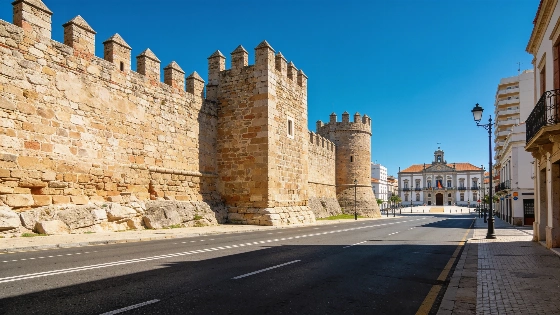
The march began at the Murallas Reales at noon and continued to Plaza de los Reyes, outside the Government Delegation, where organisers read a manifesto. Participants called «Esta frontera también es europea» (“This border is European too”, translated from Spanish) and demanded respect for the territorial integrity of Ceuta, Melilla and the Canary Islands. Ceuta president Juan Jesús Vivas also addressed the gathering.
Many demonstrators carried flags representing Ceuta, Melilla, the Canary Islands and Spain. Some had travelled from Granada and Sevilla; others came from Málaga. Chants included «Un caballa nunca se rinde» (“A caballa never gives up”, translated from Spanish) and «Menos promesas, más soluciones» (“Fewer promises, more solutions”, translated from Spanish).
The march also called for the rights of Ceuta’s residents to be respected, with demonstrators asking «¿Dónde están mis derechos?» (“Where are my rights?”, translated from Spanish). The July movement included crossings over the land frontier and people swimming around Ceuta’s maritime barrier from Morocco. At least 140 people were reported to have died during the crossing. Police investigators said prior planning was a possibility, not an established finding. Mujeres Caballas was formed after the 30 July crisis. It also organised a large demonstration in Madrid on 25 October.
Spanish authorities reported 16,475 returns, readmissions, expulsions and refusals of entry after the crisis, including 15,692 voluntary returns to Morocco, 305 deportations and 478 refusals of entry. The Guardia Civil separately estimated that about 88,146 people may have returned. As of 17 November, the government reported 5,037 adults and 3,767 minors in state-funded places in Ceuta’s protection system; 361 minors had been relocated to mainland Spain, including 156 through family reunification and 205 under a mechanism created through a reform of Spain’s Foreigners Law.
Several members of Ceuta’s regional government backed the event, alongside the PP and Vox candidates for Congress and the Senate. National party campaigning was also covered in a separate campaign report.
Before the march, organiser and nurse Elisabeth Muñoz welcomed the turnout and urged people elsewhere in Spain to join. She said the organisers had not yet counted how many participants had travelled from mainland Spain. «Todo esto ha sido un trabajo ingente. No paramos, no nos da tiempo a más ni a sumar» (“All this has been an enormous effort. We don’t stop; we don’t have time for anything more or to count”, translated from Spanish), she said.