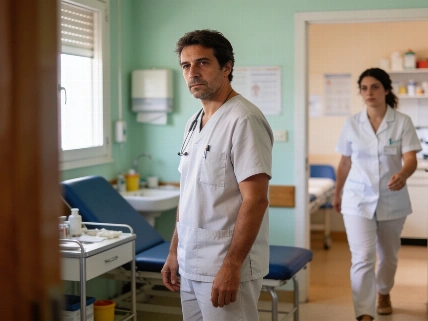
Health authorities in Castilla-La Mancha have confirmed a case of Crimea-Congo hemorrhagic fever in the Puertollano health district. The patient, a 46-year-old man, was urgently transferred to the High-Risk Infectious Diseases Unit at Hospital Gómez Ulla in Madrid for specialized care. The viral disease is rare in the region, and the case prompted an immediate response from medical teams and public health officials. Nationally, the European Centre for Disease Prevention and Control (ECDC) reported four locally acquired cases in Spain through 21 October 2026. Its surveillance update recorded no new cases after epidemiological week 34.
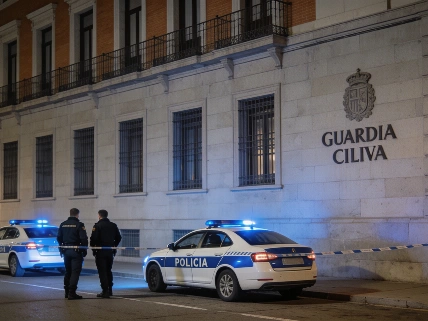
In a separate incident, a 31-year-old man was hospitalized in Ciudad Real with multiple stab wounds after an assault on Calle de los Curas in Pozuelo de Calatrava. Emergency services responded quickly and stabilized the victim before taking him to hospital. Local authorities are investigating the circumstances of the attack.
Ciudad Real is also preparing for the basic events of the Pandorga festival, scheduled for Thursday and Friday. On the eve of the festivities, the city will host a youth party and a traditional limoná competition, with a non-alcoholic version for younger participants. The celebrations are expected to draw impressive local participation. Security measures have been heightened in light of recent incidents.
Crimea-Congo hemorrhagic fever is associated with infected Hyalomma ticks and can also spread through contact with infected animal blood. Human-to-human transmission occurs through direct exposure to blood or other bodily fluids; ordinary casual contact is not a route. Spain’s cases have been concentrated mainly in the western and basic parts of the country. A wildlife investigation conducted between 2024 and 2026 examined 184 wild ungulates from basic and southern Spain. Of those, 107 had antibodies against the virus, a reported seroprevalence of 58.15%. The antibodies indicate exposure among the animals tested, not active human infection or transmission at a specific location. The patient's rapid transfer to a specialized unit reflects the need for expert assessment and care when a serious infection is suspected. Other regions in Spain have also faced emergency responses to public health threats, such as the mass confinement in Anoia following a major wildfire, as detailed in this report on wildfire-related evacuations.
Public health officials continue to monitor the situation in Puertollano and surrounding areas. Residents are advised to follow official updates, especially on tick prevention and safety during outdoor activities. The Pandorga festival will proceed as planned, with authorities urging people to celebrate while remaining vigilant in the coming days.