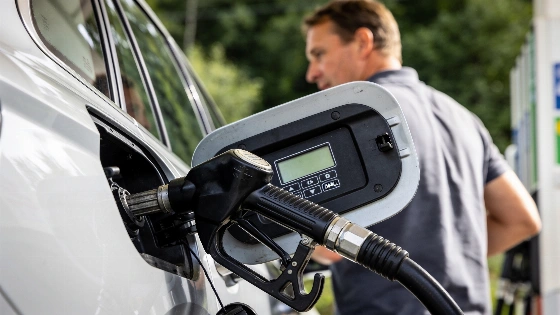
Diesel prices in Spain could rise by as much as 24 cents per litre from 1 October if the Government does not approve a new support package. The warning follows a 68% increase in the fuel’s pre-tax price since the war in Iran began on 28 February. More than 18 million vehicles across Spain still depend on diesel.
The dispute affects drivers and businesses directly. The final pump price has risen 29% since the conflict began, from €1.45 to €1.87 per litre. The pre-tax price has climbed from €0.82 to €1.378, information from the latest data from the Comisión Nacional de los Mercados y de la Competencia (CNMC).
Tax measures have shielded consumers from the full increase. A package in force from 22 March to 30 June cut fuel VAT from 21% to 10%. It also lowered the hydrocarbon tax to the minimum permitted in the European Union.
During that period, the retail price rose 18% to €1.506 per litre. The pre-tax price rose 26% to €1.039.
The second relief package took effect on 1 July. It ended the VAT reduction while retaining a cut in the hydrocarbon tax. The cut was set at 15 cents per litre in July, then reduced to 10 cents in August.
By the end of July, diesel at the pump had risen 24% since 28 February, reaching €1.798 per litre. The pre-tax price had increased 53% to €1.257.
August brought little change in the underlying fuel cost. By the end of the month, the retail price had reached €1.867 per litre, up 28% since the war began. The pre-tax price stood at €1.264. That near-stable monthly figure came after tax measures had already absorbed part of the increase.
The Government extended the diesel discount to 20 cents per litre in September after July inflation for the fuel exceeded 15%. Petrol received a smaller discount of five cents. In Spain, diesel had been rising faster than petrol.
The current package is due to expire on 30 September. Further aid in October remains possible as diesel and petrol prices continue to rise. Spanish and European energy publications put diesel prices in mid-September at approximately €1.87 to €1.90 per litre, above levels recorded at the beginning of the month. Independent reporting said the market increase had pushed the price close to where it stood before the discount was expanded, eroding much of the benefit for drivers.
Transport organisations are calling for action before the deadline. The Confederación Española de Transporte de Mercancías (CETM) says ending the measures could add up to 24 cents per litre to the price of diesel.
Fenadismer has formally requested an urgent meeting with Carlos Cuerpo, the Minister of Economy, Commerce and Enterprise, to agree on direct fuel aid.
The pressure extends beyond freight operators. Anfac and Ideauto estimate that diesel remains impressive for 57% of Spain's cars, light commercial vehicles, industrial vehicles and buses.
Carlos Cuerpo met with Yolanda Díaz, Arcadi España and Elma Saiz, alongside representatives of CEOE, Cepyme, UGT and CCOO, to review the conflict two weeks before the fiscal measures expire.
The figures leave little room for an easy exit from the current policy. Without continued relief, the pre-tax surge will hit drivers and transport companies more directly. With relief, the public budget must continue absorbing part of the shock.
For households and businesses still tied to diesel, the 30 September deadline is more than an administrative date. It could mark the point when the conflict’s real cost becomes more visible.