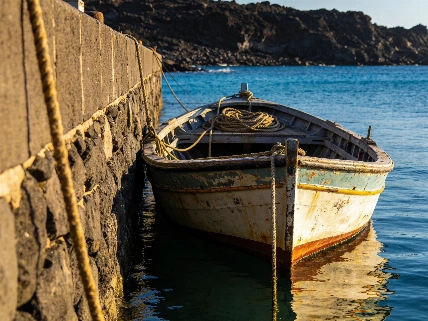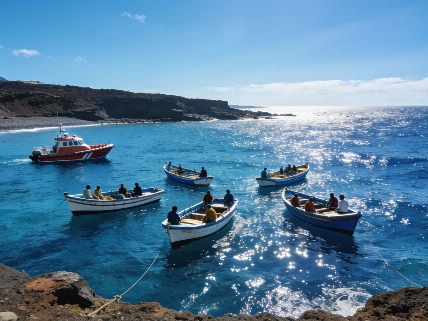
The scale of the surge was striking: fifteen cayucos brought more than 2,000 people to El Hierro in a single day, according to RTVE. Spain’s Interior Ministry recorded 11,037 arrivals in the Canary Islands during the first half of November, aboard 106 wooden vessels. On 24 November, El Hierro received 1,971 people in one day, according to an official tally reported by EFE. Four more boats carrying over 400 people arrived the following day, as rougher seas complicated rescue work.
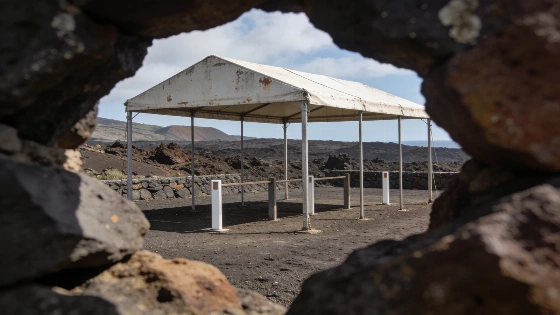
The Canary Islands government declared an emergency on the island covering health and social needs, with public safety also at issue. On 25 November, it activated level 2 of PLATECA, the regional Territorial Civil Protection Emergency Plan, at 4 p.m. The plan coordinated the regional government, the island council, municipalities and other administrations to organize temporary reception and mobilize care and health resources, while also addressing public safety. Defence accepted a request to send the Military Emergency Unit (UME), with a planned role providing medical support, triage and referrals. The report does not confirm whether the deployment ultimately took place. An earlier report on arrivals also covered the island’s record-breaking rescues.
President Fernando Clavijo said the island’s resources were overwhelmed and asked European Commission president Ursula von der Leyen for an urgent meeting. He described the pressure as unprecedented in 32 years of the Atlantic route and argued that the islands should not have to respond alone. The appeal followed the arrival of 1,580 people in 15 cayucos across El Hierro, Gran Canaria and Tenerife on 14 November, according to the account. The Interior Ministry’s total for the Canary Islands from 1 January to 15 November was 24,364 arrivals, 65.9% above the 14,690 recorded over the same period in 2025. It recorded 11,296 arrivals on El Hierro between 1 October and 13 November, compared with 3,520 during the first nine months of the year.
To ease pressure on El Hierro, more than 1,200 people were transferred to Tenerife and Gran Canaria on two boats during the period described. The island has around 12,000 residents and had received more than 12,000 migrants during 2026 by late November. The report also said transfers to mainland Spain were being accelerated. Spain’s Interministerial Commission on Immigration had declared a migration emergency in the Canary Islands on 10 November. The central government allocated more than €15 million to expand reception capacity and speed transfers, then provided a further €1 million for the Red Cross. It also deployed the Guardamar Calíope and sent police reinforcements.
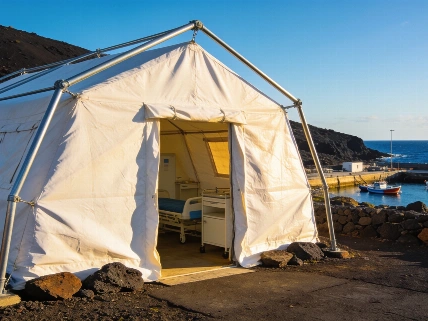
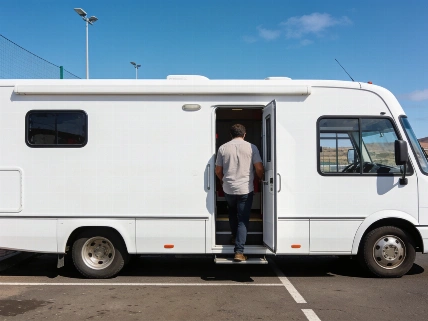
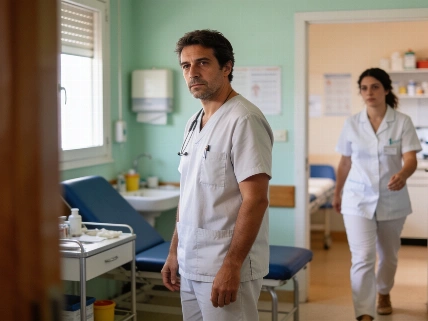
The emergency declaration activated the second level of the Canary Islands Civil Protection Emergency Plan, known as PLATECA. It provided for coordination with the island council, local authorities and relevant administrations to arrange temporary reception spaces and mobilise resources for care and safety. In November, the regional government also deployed a field hospital on El Hierro to strengthen healthcare services and help ensure the influx did not affect care for local residents.
Children were a particular concern. Clavijo put the number of migrant minors under the Canary Islands government’s care at 3,325 and warned that the total could exceed 4,000 by the end of that year if arrivals continued at the same rate. The 3,325 children were more than four times the regional system’s ordinary capacity of 783 places; 983 had entered the system during November, according to late-month figures. Regional minister Candelaria Delgado said reception centres were under renewed pressure and called on the state to speed up transfers to other autonomous communities.
Salvamento Marítimo rescued 137 minors in waters near the islands on the record day, including a baby born during the crossing from Gambia. The report said the national distribution of minors was being accelerated, but finding places remained difficult for both the Canary Islands and the central government.
Police unions also sought urgent reinforcements. The Sindicato Unificado de Policía said officers were working shifts longer than 15 hours, while staffing for security and custody duties remained insufficient. The union called for more officers and financial compensation. Jupol had made a similar request the previous week.