Spain Prepares for New Electricity Market Rules Following EU Demands. The spotlight is on the European Commission’s demand for Spain to abandon the PVPC tariff. This move has sparked widespread discussion among energy companies and consumers. The issue affects not only the market but also social support measures.
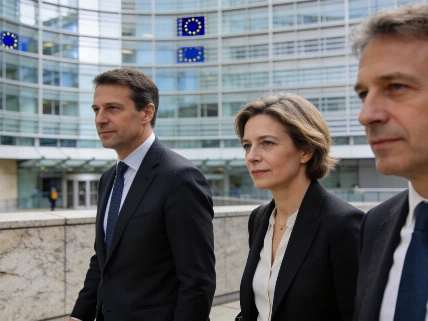
It's rare in Spanish society pages to see developments where the main topic is not celebrities, but the country's own energy sector. Yet that's exactly what has happened: the European Commission has unexpectedly demanded that Spain abandon its well-known PVPC tariff—the very one that for years was considered a guarantee of stability and predictability for many families. As 20minutos notes, this move has sparked lively debates in Madrid and raised new questions about the future of the market and the role of the state.
Tariff under scrutiny
PVPC (Precio Voluntario para el Pequeño Consumidor—Voluntary Price for Small Consumers) is more than just an acronym; it's an era for Spanish households. This state-controlled tariff changes every hour based on the wholesale market and for a long time was seen as a symbol of protection for those unwilling to take risks with private companies. Now, according to the European Commission, such schemes hinder competition and create unequal conditions for market players. In a report sent to the European Parliament and the governments of EU countries, it is noted that Spain is among the countries where almost a third of families still choose regulated pricing, and there is no clear timeline for phasing out this system.
Competition issues and risks for companies
Brussels is certain: maintaining the PVPC not only stifles competition, but could also lead to new financial shocks for suppliers. After the energy crisis of 2021–2022, when many companies were on the verge of bankruptcy due to sharp price fluctuations, the European Commission is insisting on tighter control over the financial stability of commercial operators. The report emphasizes that national regulators, such as the CNMC, should more closely monitor hedging strategies and conduct stress tests to prevent a repeat of past mistakes. Special attention is given to transparency and equal access for all market participants — which, according to Brussels, should form the foundation for “effective competition.”
Social support and new rules of the game
It is interesting that the European Commission does not completely reject the social elements of the Spanish system. For instance, maintaining the “bono social” for vulnerable consumers is deemed acceptable if it becomes part of a broader strategy to combat energy poverty. But overall, the course is set for reform: increased flexibility, new types of contracts, and the possibility for a single consumer to sign several contracts for different needs — for example, for charging an electric vehicle and for regular household consumption. This approach, according to European officials, should turn Spaniards from passive observers into active market participants who can not only save, but also sell their own energy.
Flexibility and new opportunities
The European Commission report gives special emphasis to the concept of demand flexibility. This means that consumers will be able to adjust their habits depending on market signals: some will react to price fluctuations, while others may receive direct rewards for shifting their consumption to different hours. According to Brussels, such a mechanism will not only help save money, but also accelerate the integration of renewable energy sources. Overall, the EU strategy is aimed at removing barriers for residential and corporate producers, giving them the opportunity to share and sell their energy, which in turn should help lower bills and reduce dependence on external suppliers.
This whole story is not just about tariffs and numbers. It's about how the roles of the state, business, and ordinary families are changing in the country's energy landscape. And, judging by the reaction in Madrid, the discussion is only just beginning.