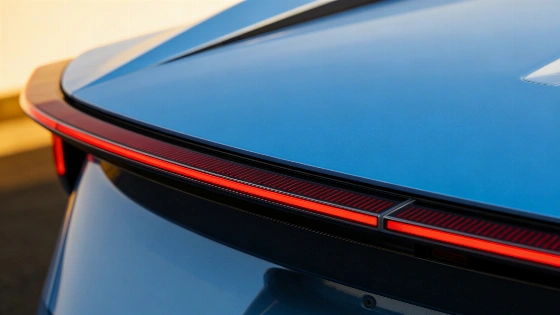
Polestar 6 is Almost Ready, But It Won't Be Seen in Spain or the USA. Polestar is finalizing the development of its striking electric convertible, but sales of the model have been postponed until at least 2029. The reason is a change in the company's strategy and uncertainty in the global electric vehicle market.
The Polestar 6, one of the most ambitious projects from the Swedish brand, is now at the final stage: according to global communications chief Graeme Lambert, the technical readiness of the convertible has already reached 95%. The model was intended as the flagship among premium-class electric convertibles and aimed to become the brand’s calling card. However, despite the nearly completed development, the car will not go on sale either in Spain or other key markets in the coming years.
The main reason is a sharp shift in priorities within Polestar itself. As noted by Auto Bild, the company is facing a slowdown in demand for electric vehicles and tough price competition. In this situation, the board of directors decided to focus resources on mass-market models that can quickly generate profit and strengthen the brand's position. With its estimated price of around $200,000 and niche status, the Polestar 6 did not make it onto the list of priority launches.
Technically, the Polestar 6 largely replicates the architecture and powertrains of the Polestar 5: an aluminum platform, a 112 kWh battery, an 800-volt system, and a fully calibrated suspension. Essentially, it's a two-door version of the Polestar 5 with an open roof. Before mass production, only the folding hardtop mechanism and the final design of the rear seats need finishing. But even minimal engineering tweaks do not change the main thing—the project has been put on hold due to financial constraints.
Instead of pushing ahead with an expensive convertible, Polestar is focusing all its resources on developing the second generation of the Polestar 2 and especially the new Polestar 7—a compact electric crossover aimed at the mass market. According to the company's calculations, this segment is expected to ensure a stable cash flow and long-term business sustainability. Until these models secure a solid position, Polestar has no plans to return to costly image-building projects.
The situation is further complicated by geopolitical risks. The Polestar 6 was supposed to be assembled at the brand's factories in China, which automatically puts its export to the US and Europe in question due to potential trade restrictions. Similar issues have already affected other automakers, as russpain.com recently covered in a story about Chery launching its new Exlantix brand on the Spanish market — details here.
According to analysts, even if the Polestar 6 does get the green light, the first deliveries are unlikely before 2029. For now, the striking convertible will remain in the status of an almost-ready but unavailable car—a hostage to economic realities and global trade barriers.