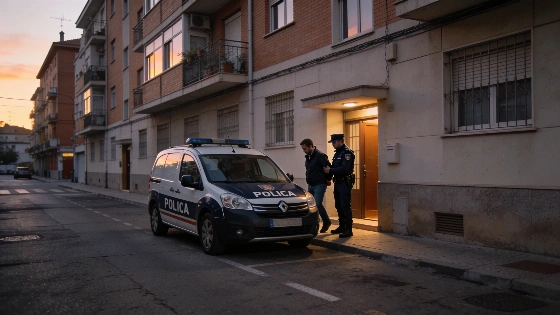
Information potentially exposed in the breach may include contact details and customer identification data, as well as records linked to ticket purchases and journeys. It may also include DNI or NIE numbers and authentication credentials, Renfe says. The Guardia Civil arrested the suspected perpetrator in October, following the September 24, 2026, intrusion into systems belonging to Renfe and Adif. Investigators believe information was exfiltrated from platforms connected with ticket sales.
Renfe says the detention prevented the information from being used or shared, and that it has no evidence of fraudulent use resulting from the incident. The company called the development a significant, reassuring update, while warning that attempts to defraud people remain possible. Renfe publicly reported the cybersecurity incident on September 25, a day after the suspected intrusion.
Renfe’s internal monitoring systems identified the intrusion after detecting anomalous activity. Investigators say an unauthorised third party accessed corporate systems related to ticket sales and may have exfiltrated information. The potentially affected data could include travel histories and identity-document details. Customer contact information and ticket-purchase records may also have been exposed. Passwords were among the potentially affected credentials.
Renfe’s preliminary assessment in September described the exposed information as limited mainly to customer names and email addresses. It said banking and financial information had not been affected. The later warning broadened the potential categories to include identity-document numbers, travel-related records and passwords. Renfe says the passwords were protected with cryptographic techniques that prevent them from being read directly.
After detecting the incident, Renfe activated its response and containment protocols and notified the competent authorities. It supplied relevant information to Spain’s Centro Criptológico Nacional and made it available to the Centro Nacional de Inteligencia (CNI). The Guardia Civil also received the information. Renfe says its response enabled it to close the affected repositories, and that coordination with the authorities prevented the extracted information from being used or distributed.
The company cautions that fraudsters could still try phishing or identity impersonation. They could send fraudulent emails or make phone calls that appear to come from Renfe or another legitimate organisation. Social-engineering attempts could also seek login credentials. Renfe urged customers to change their access codes or passwords and warned that criminals could try to obtain bank details from travellers.