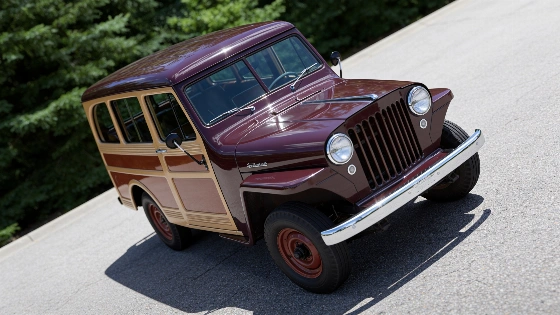
Eighty years ago, the Jeep Station Wagon broke new ground by combining military-grade toughness with family practicality. Its all-steel body and four-wheel drive set new expectations for off-road vehicles and paved the way for the SUV.
When Willys added four-wheel drive to the Jeep Station Wagon in 1949, it did more than update a family car. Suddenly, a vehicle meant for daily life could handle muddy tracks and farm roads with the same confidence as military trucks. This move brought together comfort and off-road ability in a way drivers hadn’t seen before.
Before the Station Wagon, most American family cars were "woodies"—fragile, high-maintenance, and not built for rough roads. Brooks Stevens designed the Jeep Station Wagon with an all-steel body that resisted moisture, dents, and wear. By using industrial steel presses, some borrowed from appliance factories, Willys could mass-produce a car tough enough for both city and country. According to historical reviews and museum sources, Stevens' design marked a shift in American station wagons, making all-steel bodies the new standard for durability and practicality.
The Jeep Station Wagon was one of the first civilian vehicles to bring four wheel drive out of the realm of military and farm use, making it accessible to ordinary families.
Every detail was built for real use. The interior could be washed out, the tailgate folded down for loading, and the cabin fit both passengers and bulky cargo. Early models even had a three-tone paint job that looked like wood panels—a nod to tradition, but with modern materials underneath. As Jeep/Willys historical materials note, the Station Wagon was engineered for longevity and versatility, making it useful in both urban and rural settings.
Under the hood, the Station Wagon started with the L-134 "Go-Devil" four-cylinder engine, a direct link to the wartime Jeep. Over time, Willys added six-cylinder Lightning engines, the F-134 Hurricane, and later the Super Hurricane and Tornado blocks, each one improving performance and flexibility. By the end of production in 1965, more than 300,000 units had been built. The exact engine versions varied by year, and factory records give the most precise details.
The Station Wagon wasn’t just for families. Willys also made commercial versions like the Sedan Delivery and Panel Delivery, aimed at tradespeople and businesses that needed tough, roomy vehicles. The steel body made these models especially durable, and the design made the most of the available space—something competitors often struggled to match.
Historical Jeep sources emphasize that the Station Wagon platform was not limited to family use; commercial versions such as Panel Delivery and Sedan Delivery played a significant role in expanding the model's market reach, offering practical solutions for businesses and trades.
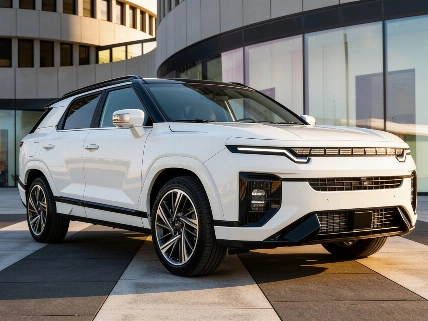
In the 1940s, the idea of a car that combined family comfort with off-road ability was new. Today, the SUV market is crowded with models promising adventure and practicality, but the Jeep Station Wagon was the first to offer both in a package most people could afford and maintain. Its influence is still clear in every modern crossover and SUV, from basic models to luxury brands.
The Station Wagon’s impact is still visible in off-road vehicles today. The 1962 Wagoneer, a direct descendant, is often called the first true luxury SUV. The demand for rugged family vehicles continues, as seen in the return of models like the Mitsubishi Pajero Montero, whose rally-ready update was recently reported.
The Jeep Station Wagon stood out for more than its engineering. Willys understood that postwar America needed vehicles that could do more than commute—they had to work, play, and last. By making off-road capability available to families and businesses, the Station Wagon didn’t just predict the SUV boom—it helped create it.