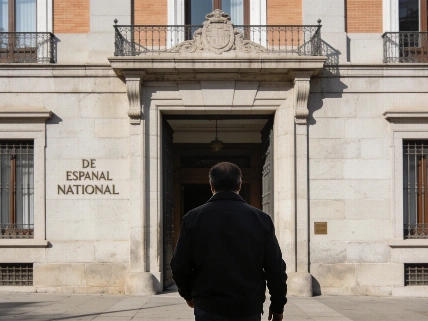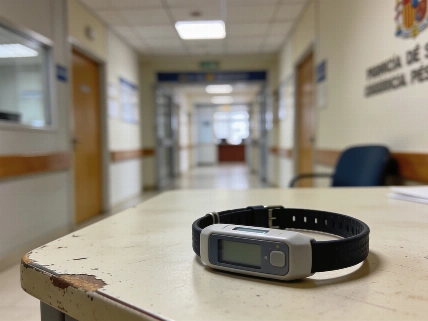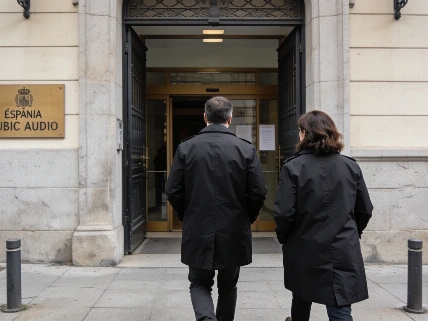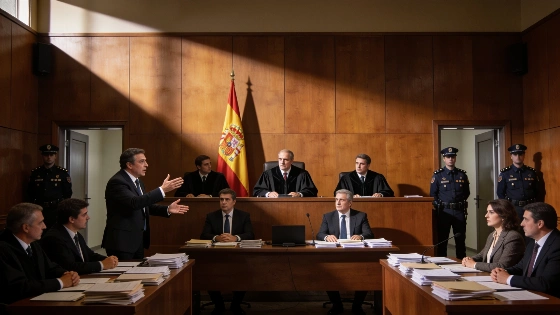
The Kitchen case trial has concluded in Madrid after 37 sessions since April. The Audiencia Nacional, Spain’s National Court, presided over by magistrate Teresa Palacios, declared the proceedings finished and left the case for judgment. The trial centered on allegations that senior officials in Mariano Rajoy’s government orchestrated a covert operation in 2013 to spy on Luis Bárcenas, the former treasurer of the Partido Popular (PP), and obtain documents that could implicate the party in the Gürtel corruption scandal. The alleged operation is associated with the so-called “patriotic police” and the suspected use of police resources and reserved funds for political purposes.
Prosecutors from the Anticorruption Office maintain that Jorge Fernández Díaz, then Minister of the Interior, led the operation to prevent sensitive material from reaching investigators. They are seeking 15-year prison sentences for Fernández Díaz, his former deputy Francisco Martínez, and former police chief Eugenio Pino. For commissioner José Manuel Villarejo, who allegedly helped recruit Bárcenas’s former driver Sergio Ríos as an informant, prosecutors are seeking 19 years. Ríos himself faces a request for 12 and a half years in prison. These are prosecution requests; the court has yet to determine criminal liability.
The final session began with all defendants present except Eugenio Pino, who was absent for medical reasons. Defense lawyers used their closing arguments to challenge the prosecution’s account. Javier Ignacio Navarro, representing Sergio Ríos, insisted that his client acted as a lawful police informant and knew of no wrongdoing. Navarro said Ríos believed he was assisting in a legitimate intelligence operation: police superiors had approached him and briefed him only on what his role required. The defense portrayed Ríos as a minor player who, as driver and bodyguard, was compelled to witness alleged criminal activity by Bárcenas and his family, including the handling of large sums of cash and valuable items.
Navarro also challenged Bárcenas’s credibility, suggesting the accusations stemmed from personal vendettas. Villarejo’s defense made a similar argument, claiming the so-called Kitchen case was a construct of Bárcenas and sympathetic journalists. The prosecution, but, alleges Ríos was paid from reserved government funds in exchange for confidential information about the Bárcenas family. Ríos admits to acting as an informant, one of several, information from his lawyer, but denies illegal conduct or involvement in extracting electronic devices from the family. He maintains he never had access to the phones or tablets in question. His defense emphasized that no technical witness identified him as the source of the devices allegedly copied by police.
During the investigation, commissioner Enrique García Castaño stated that Ríos provided the devices. Ríos’s legal team disputes this, saying Villarejo directed all contacts. The State Attorney’s Office also intervened in the final session, opposing calls to hold the government civilly liable for the operation, as requested by prosecutors and the Bárcenas family. The eight defendants were then offered a final chance to address the court. Fernández Díaz and Martínez declined, while Villarejo and others reiterated their positions and asserted their innocence. In his final statement, Villarejo said, “The truth will come to light.” That was a defense-side assertion, not a court finding.
The Kitchen trial was reported in July 2026 as having been left for judgment. The Audiencia Nacional must decide whether the defendants bear criminal responsibility for the alleged operation; no verdict has been reached. The Consejo General del Poder Judicial provides access to judicial resolutions and case law through its judicial-information portal, the institutional channel for formal decisions. Political claims about senior figures remain separate from the court’s determination: El Nacional reported that the government argued Rajoy knew of the operation and gave “instructions,” and described it as “set up and ordered” by the PP. Those claims have not established criminal liability.
The case has drawn intense public and political scrutiny because of its high-profile defendants and the implications of using state resources for political ends. The trial’s conclusion comes amid ongoing debate about judicial independence and accountability in Spain, including other legal controversies such as the divided response of the General Council of the Judiciary to complaints against Judge Peinado, detailed in this related report. The eventual ruling could affect the individuals involved and the wider debate about government accountability.
The Kitchen case is part of a series of corruption investigations that have shaped Spanish politics over the past decade. The Gürtel case, which prosecutors say provided the backdrop to the alleged espionage operation, led to impressive convictions and political fallout for the PP. The alleged use of police informants and reserved funds in a political case raises questions about oversight and the limits of law enforcement. The court’s judgment will determine the legal consequences in this case.