Maria Jesús Montero and Rafael Ibáñez: How Their Union Became a Topic of Discussion. Maria Jesús Montero and Rafael Ibáñez were long considered one of the most private couples. Their unusual wedding and rare form of separation have once again drawn attention to the politician’s personal life.
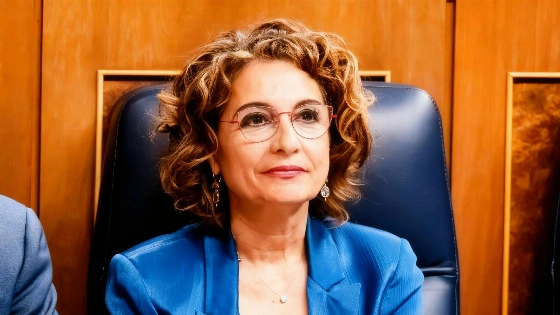
The Spanish tabloid press is once again discussing the personal life of María Jesús Montero—one of the most prominent political figures of recent years. The new wave of interest is driven not only by her career, but also by details of her relationship with ex-husband Rafael Ibáñez, which continue to raise questions and surprise even those accustomed to unexpected twists in the biographies of public figures.
An Unconventional Wedding
Montero and Ibáñez’s story began back in their student days in Seville, where she studied medicine and he studied law. Despite their different perspectives and interests, they shared a passion for politics and an ability to find compromise. Even then, the future minister was known for her drive to combine personal beliefs with respect for tradition: that’s why their wedding followed a Christian rite, but not in a classic church—rather, in a modest college in Triana. This choice surprised many, as Montero was associated with leftist movements, and Ibáñez openly called himself an atheist. Nevertheless, the couple struck their own balance—even the ceremony included symbolic gestures: the wedding ended with a rendition of “El pueblo unido jamás será vencido,” serving as a kind of bridge between their beliefs and their circle.
Family Life and Public Distance
For many years, Montero and Ibáñez remained one of the most private couples in the political sphere. They rarely appeared together in public and preferred not to share details about their daughters. Political debates were common in their home, but according to Montero herself, these open discussions helped maintain an atmosphere of trust. Their daughters, who grew up in Seville, are in no hurry to follow in their parents’ footsteps and stay away from public attention. Still, family discussions about politics became part of the background for them, and for Montero herself—a key part of her personal identity.
An Unusual Separation
In 2019, it became known that the couple had decided to separate. But in this, too, Montero and Ibáñez took their own path: there was no official divorce, and Ibáñez himself called it an “affective separation.” They maintained a respectful relationship for the sake of the family, and Montero repeatedly emphasized that her former husband remained a close person and “best friend.” After the separation, she continued building her career in Madrid, while Ibáñez, who was once a deputy from Izquierda Unida and worked at Comisiones Obreras, leads a quiet life in Córdoba, avoiding unnecessary attention.
Context and Public Attention
The story of Montero and Ibañez is an example of how personal choices and details of family life can become the subject of discussion not only in political circles, but also in the social scene. Their union, which brought together different views, religious traditions, and respect for personal boundaries, continues to attract public interest. As Divinity notes, it is precisely such details—from their unusual wedding to their rare form of separation—that make this couple stand out in the Spanish social chronicle. Interest in the private lives of public figures has always been part of social discourse: just recall how recently the family secrets of Florentino Pérez's son were discussed in the article about rare photos and the secrecy of the Real Madrid president’s heirs.In the case of Montero and Ibañez, the public is once again seeking answers to questions about the balance between private and public life, tradition and change.